

LASIK is a permanent medical procedure that reshapes your cornea to correct refractive errors like nearsightedness, farsightedness, and astigmatism. Unlike temporary solutions, the laser removes tissue that does not grow back, ensuring the initial correction does not simply wear off over time.
While the physical change to your eye is lasting, your eyes remain living organs subject to the natural aging process. Research shows that 94 percent of patients do not require distance prescription lenses five years post-surgery. However, Diamond Vision reminds patients that LASIK does not prevent presbyopia, an age-related loss of near-focusing ability that typically emerges around age 40.
Setting realistic expectations is essential. While you enjoy clear distance vision, natural changes to your internal lens may eventually necessitate reading glasses. Maintaining long-term visual health involves annual exams and working with experienced surgeons who prioritize your complete history for ongoing care.
The Science Behind LASIK’s Permanent Correction
Is LASIK a permanent vision correction solution? LASIK is considered a permanent vision correction solution because it creates a lasting change to the shape of your cornea to improve how your eye focuses light. By using precision laser technology to remove a microscopic amount of tissue, the procedure physically alters the cornea to correct refractive errors, including nearsightedness, farsightedness, and astigmatism. Because this corneal tissue does not grow back, the primary correction remains stable for the vast majority of patients for 10 to 20 years or longer per American Refractive Surgery Council data.
While the procedure effectively corrects visual focus for the long term, it cannot stop the natural aging process of the eye. Most notably, patients will eventually develop presbyopia, a condition causing the gradual loss of near vision typically starting around age 40, which may necessitate the use of reading glasses. Furthermore, while LASIK does not cause conditions like cataracts, age-related changes to the eye’s internal lens can still occur and impact your vision over time. At Diamond Vision, our expert ophthalmologists provide comprehensive consultations to help you understand your specific long-term outlook and explore how our advanced procedures can best meet your evolving visual needs.
- A study published in the Journal of Cataract and Refractive Surgery found that 94% of patients did not need distance prescription lenses five years after their LASIK procedure.
- Unlike the cornea, which Diamond Vision reshapes, the eye’s internal lens continues to age, meaning patients should still attend annual eye exams for long-term health monitoring.
- While Intralase LASIK provides a permanent change, it remains separate from the biological aging that eventually affects every person’s sight.
How Age Affects Your Vision After LASIK
While LASIK permanently reshapes the cornea to correct refractive errors, patients should understand that it does not stop the natural aging process of the eye. Presbyopia typically begins around age 40 and is a natural hardening of the eye’s lens, causing a gradual loss of near vision that occurs regardless of previous surgery.
Most individuals will eventually experience this natural shift, meaning LASIK patients may still need reading glasses as they age. Because the procedure corrects the cornea rather than the internal lens, age-related conditions like cataracts and macular degeneration are not caused by LASIK and remain possible later in life.
Patients in their 20s and 30s often enjoy longer-lasting stable results because their eyes are generally more settled at the time of the procedure compared to older adults. For those seeking vision correction, it is helpful to note that diamondvision.com prioritizes a stable prescription to ensure lasting outcomes.
If your vision shifts significantly years after your procedure, enhancements or alternative treatments like cataract surgery can often restore clarity. We encourage you to schedule a consultation with our experienced ophthalmologists to discuss how your specific needs can be managed throughout every stage of your life.
What to Expect During LASIK Recovery
A typical LASIK procedure is remarkably quick, generally lasting 30 minutes or less for both eyes. The actual laser application itself takes less than a minute per eye to reshape the cornea. While the surgery is fast, patients should plan for an appointment lasting one to two hours to allow for pre-operative preparation and post-operative instructions.
The procedure is not considered painful, as anesthetic eye drops are applied to thoroughly numb the eye. During the process, you may feel a mild sensation of pressure, but this is typically comfortable. Once the numbing drops wear off, some patients report a temporary stinging or gritty sensation. These minor symptoms are normal and usually subside within a few hours by resting your eyes.
Most patients notice significant visual improvement within 24 hours of their Intralase LASIK procedure, allowing for a swift return to daily routines. However, full visual stabilization typically takes between three and six months. During this recovery phase, you may experience minor fluctuations in clarity as the cornea completes its healing process.
- Strictly follow your surgeon’s schedule for prescribed eye drops to ensure optimal healing.
- Avoid rubbing your eyes entirely to protect the corneal incision while it heals.
- Wear the provided protective goggles while sleeping for the first few nights.
- Refrain from wearing eye makeup for one week to prevent potential irritation or infection.
- Avoid swimming for two weeks post-surgery to minimize the risk of environmental contamination.
Maintaining a clean environment and limiting screen time can further assist your recovery. If you have questions about your personal recovery timeline, our expert ophthalmologists at diamondvision.com are here to provide the guidance you need. We invite you to contact us today to schedule your free consultation.
How Long Do LASIK Results Last?
For the vast majority of patients, LASIK provides a lasting correction that eliminates the daily reliance on glasses or contact lenses. Clinical data indicates that most individuals maintain stable vision for 10 to 20 years following their initial procedure, per American Refractive Surgery Council research. While the eye is a dynamic organ that undergoes natural changes over a lifetime, it will never revert to its original, uncorrected state because the surgical reshaping of the cornea is permanent.
Although the primary outcome is highly durable, a small subset of patients may notice gradual shifts in their vision over time. Statistics show that the rate for needing a follow-up enhancement is approximately 1-2 percent in the first year, with an additional roughly 1 percent cumulative risk each year thereafter as reported by the American Refractive Surgery Council. These follow-up procedures allow specialists to refine the initial results if a significant change occurs.
At diamondvision.com, our experienced surgeons prioritize confirming that your prescription is stable before recommending any procedure, which helps minimize the likelihood of future adjustments. Unlike some centers that focus only on the immediate outcome, our team evaluates your long-term ocular health to ensure the durability of your results. If you experience vision changes years later, a consultation with our experts can determine if a minor enhancement is a safe and effective option to restore your visual clarity.
Are You a Good Candidate for LASIK?
Achieving long-term success with LASIK depends heavily on the health and stability of your eyes. For the most predictable outcomes, your vision prescription must remain stable for at least one year before the procedure. Our experts at diamondvision.com verify this stability during a detailed preoperative evaluation to ensure you meet the necessary clinical criteria.
Health conditions can also influence your eligibility. Patients managing systemic issues such as diabetes or chronic dry eye may experience different healing patterns, which requires a specialized approach to determine if laser vision correction is safe and effective for your specific profile. While Intralase LASIK offers high-precision results, we must first assess your tear film quality and corneal health to ensure a successful recovery.
Why might some patients consider LASIK unsuitable after the age of 40?
While many patients over 40 remain excellent candidates for LASIK, some may find the procedure unsuitable due to the natural onset of presbyopia, which limits the eye’s ability to focus on close objects. Because LASIK reshapes the cornea to correct distance vision, it does not address the age-related loss of lens flexibility that necessitates reading glasses. Furthermore, patients in this age group are more prone to developing conditions like dry eye, cataracts, or other age-related ocular issues that can impact surgical outcomes. While options like monovision LASIK can help manage near vision, not every patient’s eyes or lifestyle will be a compatible match for this approach. To ensure the best long-term results, we invite you to schedule a free consultation with our experienced ophthalmologists at diamondvision.com, who will perform a comprehensive evaluation to determine if you are a candidate for LASIK or a more suitable alternative like the EVO ICL.
Understanding the Cost of LASIK
The cost of LASIK eye surgery varies based on individual vision needs, the specific technology utilized, and your geographic location. While national averages often range between $3,000 and $4,000 for both eyes, diamondvision.com provides transparent pricing tailored to your unique requirements during a comprehensive consultation.
To make this investment in your vision accessible, diamondvision.com offers flexible financing options, including popular plans like CareCredit and ALPHAEON, which may feature $0 down and 0% interest terms upon credit approval. Many patients also utilize their Health Savings Account(HSA) or Flexible Spending Account (FSA) to cover all or part of the procedure costs.
We invite you to schedule a free consultation with our expert ophthalmologists today to discuss your candidacy and explore the best financial path for your needs. Unlike some providers that rely on hidden fees, diamondvision.com ensures you understand exactly what your investment covers before you commit to the procedure.
Protecting Your Vision for Life
While LASIK provides a permanent change to the shape of your cornea, maintaining long-term visual clarity requires proactive care. Scheduling an annual comprehensive eye exam is a necessity for all patients to monitor ocular health and track any natural shifts in your prescription as you age.
Lifestyle factors play a significant role in preserving your outcomes. Adopting a healthy routine, such as maintaining a balanced diet, avoiding smoking, and managing systemic conditions like diabetes, supports your long-term eye health. Additionally, wearing sunglasses that offer 100% UV protection helps shield your eyes from harmful radiation, which can contribute to the development of age-related issues.
Routine check-ups are also vital for the early detection of common age-related conditions, such as glaucoma, cataracts, and macular degeneration. At diamondvision.com, our specialists emphasize these preventive habits to help you maintain the best possible vision. If you notice any changes in your sight or have questions about your long-term eye health, schedule a free consultation to discuss your history and current status with our expert team.
Take the Next Step Toward Clear Vision
While LASIK provides a permanent change to the shape of your cornea, it is essential to remember that your eyes remain living tissue. Natural aging processes, such as the development of presbyopia, will continue to affect your near vision regardless of your surgical history. Understanding these dynamics is a critical part of planning your long-term visual health.
At Diamond Vision, our ophthalmologists take the time to evaluate your unique anatomy and visual goals. Unlike clinics that treat patients as statistics, we focus on creating a personalized roadmap for your eyes, whether you are a candidate for LASIK, PRK, or EVO ICL.
Your vision is an investment. We offer flexible financing options to ensure quality care remains accessible. Schedule a free consultation today to discuss your candidacy and determine which solution provides the best path forward for your specific needs.
Contact Us
If you have more questions about LASIK procedures, get in touch with us.
Related Blogs

Understanding Your Vision Needs During Middle Age
As you enter your 40s, the natural aging process begins to affect the eye’s internal lens, which gradually loses the flexibility required to focus on
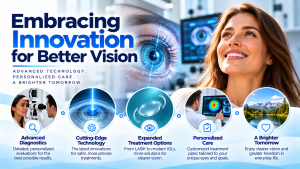
Embracing Innovation for Better Vision
Modern eye care is undergoing a significant transformation as digital tools and diagnostic accuracy redefine patient outcomes. Innovations like WaveLight® Plus allow surgeons to create
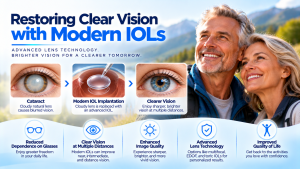
Restoring Clear Vision with Modern IOLs
An intraocular lens (IOL) is a tiny, artificial lens implanted in the eye to replace the natural lens when it becomes cloudy from cataracts. The
