

As you enter your 40s, the natural aging process begins to affect the eye’s internal lens, which gradually loses the flexibility required to focus on near objects. This condition, known as presbyopia, is a universal milestone rather than a disease, occurring as the lens thickens and struggles to adjust its shape. While it differs from refractive errors like myopia or farsightedness, it can coexist with them, making clear vision at all distances more difficult to achieve.
Professional eye care is essential during this transition. The American Optometric Association recommends a comprehensive eye examination at least every two years for adults between 41 and 60, though many specialists suggest annual checks to monitor for subtle shifts. At diamondvision.com, our team emphasizes these early assessments to differentiate between standard age-related changes and signs of underlying health issues like glaucoma or macular degeneration.
Addressing these changes early ensures you maintain an active lifestyle without constant reliance on reading glasses. Whether you are exploring LASIK to correct refractive errors or other advanced options to restore range of vision, our practice provides the diagnostic screening necessary to find your ideal solution. You can schedule a free consultation at diamondvision.com to discuss your unique needs and long-term ocular health.
What Is The Right Age For Lasik Surgery?
Identifying Early Signs of Vision Deterioration
Recognizing early indicators of vision changes is a vital step in preserving your visual health as you age. While some shifts are natural, certain signs necessitate prompt attention from an eye care professional to ensure you receive the appropriate care.
What are the common signs that my vision is deteriorating?
Common warning signs include sudden blurriness, distorted vision, or seeing straight lines as wavy, which may indicate age-related macular degeneration. Persistent eye strain or heaviness often accompanies the need to hold reading materials at arm’s length, a hallmark of presbyopia. You may also notice lingering headaches that do not improve with rest, which can signal that your eyes are working harder than necessary to compensate for refractive changes.
Beyond simple blurriness, be alert for sudden flashes of light, a surge in floaters, or dark spots, which can signal a retinal tear or detachment. Because many conditions like glaucoma often progress without early symptoms, regular exams are essential. While some practices simply provide temporary glasses, diamondvision.com prioritizes a comprehensive eye exam to determine the exact cause of your symptoms.
If you experience halos around lights at night or difficulty adjusting between different lighting environments, these may be early signs of cataract development. Seeking professional care is the only way to distinguish between normal age-related changes and conditions requiring treatment. We invite you to contact the team at diamondvision.com to discuss your concerns during a free consultation.
Managing the Onset of Presbyopia
Presbyopia is a natural, age-related condition where the eye’s internal lens loses its flexibility, making it increasingly difficult to focus on close-up objects. As the proteins in the lens pack more tightly over time, the tissue loses the elasticity required to change shape for near-focusing tasks. Most people first notice symptoms, such as blurred near vision or the need to hold reading materials at arm’s length, sometime after age 40 per Mayo Clinic.
What is presbyopia and how is it typically diagnosed?
To diagnose this condition, an eye care professional performs a comprehensive eye exam, which includes a refraction assessment to determine your current refractive error and near-vision focus capabilities. Your doctor evaluates how well your eyes work together and checks for any other underlying vision issues to ensure an accurate diagnosis, per the American Optometric Association. At diamondvision.com, our ophthalmologists use thorough diagnostic tools to identify presbyopia and discuss personalized treatment options, such as corrective surgeries or specialized lenses, to help you regain clear vision.
Distinguishing presbyopia from other refractive errors is vital for determining the correct course of treatment. While hyperopia and presbyopia both result in blurry near vision, the Cleveland Clinic explains that hyperopia is caused by an abnormally short eyeball or flat cornea, whereas presbyopia is strictly caused by the age-related loss of lens flexibility. At diamondvision.com, detailed screenings help differentiate these conditions and evaluate whether you may be a candidate for procedures like EVO ICL or lens exchange. Patients who have undergone previous refractive surgeries for nearsightedness, such as LASIK, may still find that presbyopia requires new corrective measures as they enter their mid-40s.
Advanced Treatment Options for Aging Eyes
As we age, the eye’s natural lens loses flexibility and the ability to focus on near objects, prompting many individuals to seek more permanent solutions than traditional corrective lenses. For those experiencing presbyopia, a range of surgical and non-surgical interventions can significantly enhance quality of life and visual clarity, reducing dependence on glasses and improving everyday activities like reading and using a smartphone.
What are the most effective treatment options for presbyopia?
Presbyopia is a common age-related condition that causes difficulty with near vision, but several effective treatment options are available to restore clarity What Is Presbyopia?. While many patients initially rely on reading glasses, bifocals, or progressive lenses, advanced surgical procedures offer a more permanent solution that can reduce the need for corrective eyewear Presbyopia: Symptoms, Causes & Treatment. Options such as Monovision Blended LASIK reshape the cornea so one eye focuses on distance and the other on near tasks, while Refractive Lens Exchange (RLE) replaces the eye’s natural lens with an artificial one, and multifocal or accommodating intraocular lenses can provide a broader range of vision at multiple distances Corrective options for aging vision. Additionally, specialized contact lenses offer a versatile, non-surgical approach to managing near vision needs, with the flexibility to adjust prescriptions as your vision changes. We invite you to schedule a free consultation with our expert ophthalmologists at diamondvision.com to find the personalized treatment plan that best fits your lifestyle and vision goals.
| Treatment | Type | Primary Benefit |
| Blended LASIK | Surgical | Near and distance range |
| RLE | Surgical | Permanent lens replacement |
| Contacts | Non-Surgical | Immediate, reversible |
| Glasses | Non-Surgical | Simple, no recovery |
Determining Eligibility for Corrective Surgery
At what age is vision correction surgery like LASIK typically recommended?
The FDA recommends a minimum age of 18 for LASIK, as this is typically when the eyes have reached sufficient maturity and vision has stabilized. While there is no upper age limit for the procedure, candidacy is determined by the overall health and stability of your eyes rather than your chronological age. Most ophthalmologists recommend that patients have a stable vision prescription for at least one year before considering surgery. At diamondvision.com, our specialists prioritize this stability to ensure long-term success. As patients reach their mid-40s and beyond, age-related changes like presbyopia or cataracts may lead our specialists to explore alternative vision correction options tailored to your long-term needs, such as EVO ICL or lens replacement. We invite you to schedule a free consultation with our expert team to evaluate your specific eye health and determine the best path to achieving your vision goals.
Who is not a suitable candidate for laser eye surgery?
Individuals who have experienced significant refractive instability, such as frequent changes in their prescription over the past year, may not be suitable candidates for laser eye surgery. Health status also plays a vital role, as patients with uncontrolled autoimmune diseases, immunodeficiency states, or conditions that impair proper wound healing are generally advised against these procedures. Furthermore, specific ocular conditions such as keratoconus, severe chronic dry eye, glaucoma, or active eye diseases like herpes simplex significantly increase surgical risks. While some clinics may overlook these factors, diamondvision.com performs an exhaustive pre-surgical assessment to identify these contraindications early. Women who are currently pregnant or breastfeeding are also typically discouraged from surgery due to potential vision fluctuations. To determine your personal eligibility, we encourage you to schedule a free consultation with our expert ophthalmologists who provide a comprehensive evaluation.
Understanding Surgical Innovation and Investment
Today’s most advanced vision correction procedures, including modern LASIK, PRK, and the EVO ICL lens, prioritize safety and precision through advanced laser technology. Innovations such as custom corneal mapping allow ophthalmologists to create individualized 3D treatment plans tailored to the unique contours of each patient eye, significantly enhancing visual outcomes. These refined surgical techniques can offer higher success rates, quicker recovery times, and reduced discomfort compared to earlier methods. By utilizing high-tech equipment, surgeons can perform highly accurate corrections that minimize risks and can help improve quality of life. We invite you to schedule a free consultation with our expert team at diamondvision.com to discuss which advanced procedure is best suited to help you achieve your vision goals.
What factors influence the total cost of LASIK eye surgery?
The total cost of LASIK eye surgery is primarily influenced by the advanced technology utilized during the procedure, such as bladeless femtosecond lasers) or topography-guided systems, which enhance precision and safety. The expertise, training, and professional reputation of your surgeon also play a significant role, as highly experienced specialists may charge more for their track record of successful outcomes. Furthermore, your geographic location impacts pricing, with costs often fluctuating based on regional demand, local cost-of-living expenses, and the level of competition among providers. Because each patient’s vision correction needs are unique, personalized care and the specific complexity of your prescription can also affect final pricing. To help manage these expenses, many patients choose to utilize flexible financing options or promotional offers, which we encourage you to discuss during a free, personalized consultation at diamondvision.com.
Taking Proactive Steps Toward Better Vision
Achieving lasting visual clarity requires a partnership between you and an experienced clinical team. At Diamond Vision, we prioritize personalized care that addresses the unique progression of your eye health, rather than relying on one-size-fits-all solutions. Whether you are exploring LASIK to correct refractive errors or seeking alternatives like EVO ICL for specific near-vision needs, our doctors customize every plan to suit your lifestyle.
Maintaining your vision is a lifelong process. Regular comprehensive eye exams allow us to monitor changes as you age and ensure you remain a strong candidate for advanced corrective procedures. Do not let discomfort or dependency on glasses limit your daily routine. We invite you to book a free consultation at Diamond Vision to discuss your options and discover how professional, tailored medical intervention can help you maintain sharp, reliable vision for years to come.
Contact Us
If you have more questions about LASIK procedures, get in touch with us.
Related Blogs

Understanding Your Vision Needs During Middle Age
As you enter your 40s, the natural aging process begins to affect the eye’s internal lens, which gradually loses the flexibility required to focus on
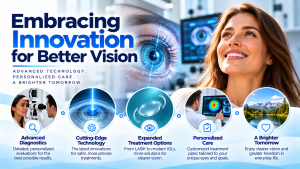
Embracing Innovation for Better Vision
Modern eye care is undergoing a significant transformation as digital tools and diagnostic accuracy redefine patient outcomes. Innovations like WaveLight® Plus allow surgeons to create
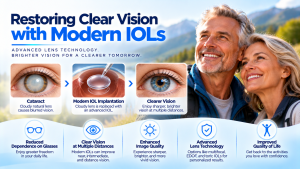
Restoring Clear Vision with Modern IOLs
An intraocular lens (IOL) is a tiny, artificial lens implanted in the eye to replace the natural lens when it becomes cloudy from cataracts. The
