

Corneal thickness ranks among the most important factors in LASIK candidacy screening. A LASIK candidacy screening guide notes that measuring corneal thickness helps determine whether there is enough tissue to reshape safely. Patients with thin corneas face a higher risk of complications such as ectasia, which is why surgeons evaluate this measurement carefully before recommending any procedure.
Baldeless LASIK, also called bladeless or IntraLase LASIK, creates the corneal flap with a femtosecond laser. Unlike traditional approaches that use a microkeratome blade, the laser produces a thinner, more uniform flap, which can preserve more stromal tissue. This distinction can matter for patients with borderline corneal thickness, because a thinner flap leaves more tissue behind for a stable result.
How Bladeless LASIK Preserves Corneal Tissue
In a bladeless procedure, the surgeon uses a highspeed laser to create a precise flap. According to bladeless LASIK explanations, the laser delivers thousands of microscopic pulses to form the flap at a depth measured in microns. Because the flap is more accurately cut, the surgeon can plan the ablation with greater control, often reserving more corneal tissue than with a blade-based approach.
For patients with thin corneas, this added control can mean the difference between eligible and ineligible candidacy. Blade vs. Bladeless LASIK comparisons highlight that bladeless flaps tend to be thinner and more uniform, reducing the risk of irregular healing. While the laser does not change the fundamental need for adequate tissue, it gives surgeons an option to work within a thinner cornea more predictably.
Eligibility Beyond Corneal Thickness
Corneal thickness is not the only criterion. LASIK candidacy screening also considers refractive stability, age, overall eye health, and the absence of conditions such as severe dry eye. A blade vs. bladeless discussion emphasizes that surgeons assess each case holistically rather than relying on a single measurement.
At diamondvision.com, our surgeons use advanced diagnostic imaging to map the cornea in detail before recommending any procedure. We evaluate not only thickness but also curvature, irregularity, and overall shape. This thorough assessment helps us determine whether bladeless LASIK, PRK, or another option best fits your eye.
| Factor | Blade LASIK | Bladeless LASIK |
| Flap creation | Mechanical blade | Femtosecond laser |
| Flap thickness | Often thicker | Thinner, more uniform |
| Tissue preservation | Less predictable | More controlled |
| Eligibility for thin corneas | May be limited | Potentially broader |
Our bladeless LASIK page details how we use IntraLase technology to customize your treatment. We also discuss ophthalmologist qualifications and safety protocols so you can feel confident in your decision.
Traditional LASIK and the Microkeratome Blade
Traditional LASIK corrects vision by reshaping the cornea with a laser, but the surgical access to the corneal tissue relies on a mechanical cutting instrument called a microkeratome. In a conventional procedure, the surgeon uses this handheld device with a small oscillating metal blade to create a thin, hinged flap on the cornea’s surface. The flap is then lifted, and an excimer laser reshapes the underlying tissue to correct nearsightedness, farsightedness, or astigmatism. This approach has helped millions of patients achieve clearer vision without glasses or contact lenses.
Why the blade matters
The microkeratome blade directly determines the precision and predictability of the corneal flap. Because the blade is a mechanical device, its performance depends on factors such as sharpness, speed, and the surgeon’s hand pressure. Inconsistencies in any of these can lead to a flap that is thinner, thicker, or less uniform than intended. While experienced surgeons achieve excellent results, the variability naturally associated with a physical blade is one of the main reasons the industry has shifted toward newer bladeless techniques.
For example, bladeless LASIK replaces the metal blade with a femtosecond laser to create the flap. This laser emits rapid pulses of light to create microscopic bubbles in the corneal tissue, separating it with a level of consistency that a hand-held blade cannot match. Eye care centers such as Diamond Vision offer both options and can explain how the choice of flap creation method influences the overall procedure.
Blade versus bladeless: a practical comparison
- Flap creation: blade LASIK uses a mechanical microkeratome with a metal blade; bladeless LASIK uses a femtosecond laser for a precise, computer-controlled cut.
- Predictability: bladeless LASIK creates a flap with more consistent thickness and diameter, which can be especially beneficial for thin corneas.
- Patient experience: bladeless procedures are often described as quieter and less disconcerting, although numbing drops keep both approaches comfortable.
- Recovery: because bladeless flaps adhere more evenly, some patients notice faster visual recovery, though healing times are similar for most people.
For a deeper look at how these two methods compare, Diamond Vision’s guide to bladeless LASIK explains how the technology has evolved and what you can expect during the procedure.
Is blade LASIK still performed today?
Yes, some surgeons still prefer blade LASIK for specific cases, and it remains a safe, effective option for many people. The choice often comes down to corneal thickness, the shape of your eye, and your surgeon’s assessment of which method will yield the most predictable outcome. During a consultation, the doctor can measure your cornea and discuss whether traditional or bladeless LASIK better suits your vision goals.
It’s also worth noting that “bladeless” doesn’t mean the procedure involves no tissue removal. It simply means that the flap is created without a metal blade. All LASIK includes an excimer laser step to reshape the cornea; the difference lies in how the flap is accessed.
| Feature | Blade LASIK | Bladeless LASIK |
| Flap creation | Microkeratome blade | Femtosecond laser |
| Cut consistency | Variable, surgeon-dependent | Highly reproducible |
| Patient comfort | Very good | Often quieter, similar comfort |
| Recovery | Similar for most | Potentially faster visual recovery |
| Ideal for | Thicker corneas | Thin corneas, high prescriptions |
Ultimately, the right approach depends on your individual anatomy and preferences. A thorough eye exam with your surgeon is the best way to determine whether traditional or bladeless LASIK is the most suitable path to clearer vision. Both methods have helped countless patients achieve their goals, so the decision should be based on your unique needs and your doctor’s recommendation.
How Bladeless LASIK Uses a Femtosecond Laser
When researching vision correction, you will encounter the terms “blade” and “bladeless” LASIK. The difference is not about whether a laser is used for vision correction — it is about how the corneal flap is created. In traditional LASIK, a surgeon uses a mechanical device with a metal blade called a microkeratome to slice a thin flap. Bladeless LASIK, in contrast, uses a femtosecond laser to create the flap with precision, which is why it is often called bladeless LASIK.
The appeal of bladeless LASIK lies in its all-laser approach to flap creation. A femtosecond laser delivers rapid bursts of energy to create a micro-thin flap in the cornea without a metal blade ever touching the eye. This method has gained popularity because it potentially offers more predictable flap thickness and reduced risk of complications such as flap dislocation or epithelial ingrowth, according to Diamond Vision.
How Blade and Bladeless LASIK Compare
Flap creation. Blade LASIK uses a mechanical microkeratome with a metal blade to cut the flap. Bladeless LASIK uses a femtosecond laser to create the flap. The laser method is often described as more precise and consistent.Procedure time. Both procedures are relatively quick, typically taking about 10 minutes per eye. However, bladeless LASIK eliminates the step of changing blades, which can slightly streamline the process.Comfort and recovery. Bladeless LASIK may offer a smoother flap edge, which can promote faster healing and reduce the risk of dry eye symptoms. Patients often report a more comfortable recovery.Cost. Bladeless LASIK tends to be more expensive due to the advanced laser technology. Many clinics, including Diamond Vision, offer financing options to make the procedure more accessible.
Why Bladeless LASIK Is Gaining Popularity
Bladeless LASIK has become the standard in many premium clinics because of its precision and safety profile. The femtosecond laser allows surgeons to create a flap with a thickness that is more uniform and predictable than what is possible with a blade. This reduces the chance of complications like irregular flap edges or incomplete flaps. The American Refractive Surgery Council emphasizes that careful candidate screening remains essential, regardless of the technique used.
At Diamond Vision, we use the latest bladeless technology, including IntraLase, to offer our patients the highest level of care. Our surgeons are experienced in both blade and bladeless techniques, and we will recommend the approach that best suits your individual eye health and visual needs. We believe in transparent education, which is why we encourage you to schedule a consultation to discuss whether bladeless LASIK is right for you.
| Aspect | Blade LASIK | Bladeless LASIK |
| Flap tool | Microkeratome (metal blade) | Femtosecond laser |
| Precision | Less consistent thickness | High precision, uniform flap |
| Recovery time | Slightly longer healing | Faster, smoother recovery |
| Risk of complications | Higher risk of flap complications | Reduced risk |
| Cost | Generally lower cost | Higher upfront cost with financing available |
Safer Corneal Flaps with All-Laser Precision
The choice between blade and bladeless LASIK comes down to how the corneal flap is created. Traditional LASIK uses a mechanical microkeratome with a thin metal blade. Bladeless LASIK, also called all-laser or IntraLase LASIK, replaces that blade with a femtosecond laser that creates the flap in a few seconds. Each approach is effective, but they differ in precision, comfort, and the level of control your surgeon has during the procedure.
At Diamond Vision, our award-winning refractive surgeons use the most advanced laser technology available, including bladeless LASIK with CustomVue wavefront. While other clinics still offer blade-based procedures, we prioritize all-laser precision because it aligns with our focus on safety and excellent visual outcomes.
How Each Technique Works
In traditional LASIK, the surgeon uses a microkeratome, a device with a small metal blade that oscillates rapidly to cut a thin flap in the cornea. The flap is then lifted, and an excimer laser reshapes the underlying tissue to correct vision. This method has been used successfully for decades, but it relies on a physical blade moving across the eye.
Bladeless LASIK uses a femtosecond laser to create the flap. The laser delivers ultra-short pulses of energy to the cornea, creating a thin, precise flap without any blade. According to Harvard Medical School, bladeless LASIK offers advantages in flap thickness uniformity and may reduce certain risks. The femtosecond laser approach is often described as creating a shallower, more precise corneal flap, which can contribute to faster healing and fewer complications.
Blade LASIK. Uses a mechanical microkeratome with a metal blade. The blade is typically disposable, but it is still a physical cutting instrument that moves across the cornea.Bladeless LASIK. Uses a femtosecond laser to create the flap. This all-laser approach eliminates the blade entirely and allows for greater precision in flap depth and diameter.
Why Bladeless Is Often Preferred
Many patients prefer bladeless LASIK because it addresses common concerns about having a blade near the eye. The laser creates a flap that is more uniform and predictable, which can reduce the risk of complications. Southwest Eye Care notes that bladeless LASIK often results in quicker recovery and less post-operative discomfort. Vision Center explains that bladeless LASIK may produce fewer surface irregularities, which can help with visual quality.
Another factor is the surgical experience itself. Patients often report less noise and vibration with bladeless LASIK because there is no mechanical blade cutting through the cornea. The laser also allows your surgeon to customize the flap based on your corneal thickness and curvature, which is especially helpful for patients with thin corneas or those who may not be ideal candidates for a blade-based approach.
Is Bladeless Worth the Cost?
Bladeless LASIK typically costs more than traditional LASIK, often $200 to $400 more per eye. The higher price reflects the advanced laser technology and the added precision it offers. Many patients find the peace of mind worth the difference, particularly if they are anxious about the idea of a blade. However, the cost can vary depending on your location, the surgeon’s experience, and the specific technology used. At Diamond Vision, we offer transparent pricing and financing options so you can make an informed decision without surprise costs.
Most insurance plans do not cover elective LASIK, but many practices offer payment plans. Be sure to ask about the total cost, including follow-up visits and any enhancement procedures, so you can budget appropriately. Comparing blade vs. bladeless LASIK can help you understand what you’re paying for and whether the added precision is worth it for your specific vision correction needs.
Making the Right Choice
There’s no single answer for everyone. Your candidacy depends on factors like your age, prescription stability, corneal thickness, and overall eye health. The complete LASIK candidate screening guide from the American Refractive Surgery Council lists several criteria, including stable vision and healthy corneas. A thorough evaluation with an experienced eye surgeon is the only way to know which technique is best for you.
Your surgeon should perform a comprehensive eye exam, including corneal topography and pachymetry, to assess your corneal thickness and shape. If you have thin corneas or abnormalities, bladeless LASIK may be safer because it can create a more precise flap with less tissue disruption. Bladeless LASIK enhances the surgeon’s ability to tailor the flap to your unique eye anatomy.
The Bottom Line
Both blade and bladeless LASIK can effectively correct vision, but bladeless LASIK offers greater precision, comfort, and a reduced risk of certain complications. Harvard Medical School acknowledges that bladeless LASIK is an effective, safe option for many patients. At Diamond Vision, we recommend bladeless LASIK for most candidates because it aligns with our commitment to advanced technology and patient safety. Schedule a consultation to determine if you are a candidate and to discuss which approach is best for your eyes.
| Aspect | Blade LASIK | Bladeless LASIK |
| Flap creation | Mechanical blade | Femtosecond laser |
| Precision | Less uniform | Highly uniform |
| Discomfort | Possible vibration | Minimal |
| Recovery | Standard | Often faster |
| Cost | Lower | Higher |
Comparing Recovery Times and Visual Outcomes
The day of your LASIK procedure is quick, typically under 15 minutes for both eyes, but the recovery process unfolds over the following days and weeks. Knowing what to expect helps ease anxiety and allows you to plan your schedule. Below is a general timeline for recovery after bladeless LASIK.
First 24 to 48 Hours
Most patients notice significant visual improvement within the first 24 hours, often returning to many normal activities the next day. You may experience mild discomfort, such as a gritty sensation, light sensitivity, or watery eyes, as the corneal flap heals. With bladeless LASIK, the recovery is usually quicker than with traditional blade-based LASIK; most patients return to work or normal routines within 24 to 48 hours.
Your surgeon will provide protective eye shields to wear while sleeping to prevent accidental rubbing. It’s important to avoid getting water in your eyes, and to use prescribed lubricating and antibiotic eye drops as directed. Vision may fluctuate during this period, which is normal.
First Week
By the end of the first week, most patients have stable vision. You can typically resume driving and most work duties, but you should avoid strenuous exercise, swimming, and contact sports. Your surgeon may schedule a follow-up visit within a week to check the healing of the corneal flap and your visual acuity.
- Avoid rubbing your eyes; the flap needs time to fully adhere.
- Do not use eye makeup, lotions, or creams near the eyes for at least one week.
- Wear sunglasses outdoors to protect against UV light and reduce light sensitivity.
First Month and Beyond
Over the next few weeks, your vision will continue to stabilize, and any residual dryness or night glare typically diminishes. Most patients achieve their best vision by one to three months post-surgery, though some may experience slight fluctuations. Your surgeon will schedule follow-up appointments to monitor your healing and ensure you’re on track. It’s important to attend these visits to address any concerns promptly.
While LASIK offers a quick recovery for most, individual healing times vary. Factors like age, prescription strength, and pre-existing conditions (like dry eyes) can affect the timeline. Your Diamond Vision surgeon will give you personalized guidance based on your specific case.
Tissue Preservation and Irregular Corneas
For many patients with thin corneas or irregular astigmatism, traditional LASIK may not be the safest option. Bladeless LASIK, which uses a femtosecond laser to create the corneal flap instead of a metal blade, offers a more precise and conservative approach that can expand candidacy for those who might otherwise be turned away.
The femtosecond laser creates a flap with remarkable accuracy, allowing surgeons to preserve more corneal tissue during the procedure. This is especially important for individuals with thin corneas, as bladeless LASIK conserves more corneal tissue compared to traditional microkeratome techniques. By preserving more tissue, the procedure maintains the structural integrity of the cornea and reduces the risk of complications like ectasia.
Corneal Tissue Preservation and Irregular Corneas
When you have a thin cornea, every micron of tissue matters. Bladeless LASIK’s laser-created flap is both thinner and more uniform than a blade-created flap, which means less tissue is removed overall. This tissue preservation advantage allows surgeons to treat patients who may have been deemed poor candidates for traditional LASIK.
Additionally, the precision of the femtosecond laser is particularly beneficial for patients with irregular astigmatism or corneal surface irregularities. The laser can create a smoother, more consistent flap that conforms better to the cornea’s unique shape, leading to more predictable visual outcomes. This is why many ophthalmologists prefer bladeless technology for complex cases.
What to Consider Before Choosing Bladeless LASIK
While bladeless LASIK offers significant advantages, candidacy still depends on a thorough evaluation. Factors like your corneal thickness, refractive error, and overall eye health are assessed during a comprehensive screening. Understanding your candidacy is the first step in determining if this procedure is right for you.
Bladeless LASIK vs. Other Laser Vision Correction Options
It’s also worth comparing bladeless LASIK to alternatives like PRK or implantable contact lenses. PRK removes the corneal epithelium entirely without creating a flap, which may be an option for those with extremely thin corneas. However, bladeless LASIK typically offers faster recovery and less discomfort. At Diamond Vision, we offer a range of procedures and can help you determine which approach aligns with your specific needs.
Thin Corneas. Bladeless LASIK preserves more corneal tissue, making it a viable option for many patients with thin corneas who may not qualify for traditional LASIK.Irregular Astigmatism. The femtosecond laser creates a smoother flap that can better accommodate corneal irregularities, improving outcomes for patients with irregular astigmatism.Recovery and Comfort. Bladeless LASIK typically results in faster visual recovery and less post-operative discomfort compared to PRK, while offering similar tissue preservation benefits.
Ultimately, the decision between bladeless LASIK and other procedures should be made in consultation with an experienced eye surgeon. A thorough examination will reveal whether your corneal characteristics make you a good candidate for bladeless LASIK, and what outcomes you can realistically expect.
Bladeless LASIK vs. SMILE: Key Differences
Both bladeless LASIK and SMILE are all-laser procedures, but they differ in technique. Bladeless LASIK uses a femtosecond laser to create a corneal flap, which is then lifted so an excimer laser can reshape the underlying tissue. SMILE, on the other hand, uses a single femtosecond laser to create a small lenticule inside the cornea, which is removed through a tiny incision. This fundamental difference affects everything from recovery time to the type of corrections each can address.
Procedure. Bladeless LASIK involves creating a flap and reshaping the cornea. SMILE requires no flap, only a small keyhole incision for lenticule removal.Corneal Tissue. SMILE preserves more corneal tissue, making it a better option for patients with thinner corneas. Bladeless LASIK removes slightly more tissue due to the flap creation.Recovery. Both offer quick recovery, but SMILE patients often experience less dry eye and more stable corneal biomechanics because the flap is absent. Bladeless LASIK still provides excellent results with most patients seeing clearly within a day.Wavefront Customization. Bladeless LASIK can be combined with wavefront-guided technology to correct higher-order aberrations precisely. SMILE currently lacks the same level of wavefront customization, though it handles myopia and astigmatism well.
Traditional LASIK uses a microkeratome blade to create the flap, while bladeless LASIK uses a laser. This distinction is crucial for safety and precision. Bladeless procedures reduce the risk of flap complications, such as irregular cuts or buttonholes, and provide a more predictable flap thickness. For patients choosing between bladeless LASIK and SMILE, understanding these technical details helps in making an informed decision.
At Diamond Vision, our ophthalmologists perform bladeless LASIK using advanced femtosecond laser technology. Unlike some competitors who only offer SMILE or traditional LASIK, we provide both bladeless LASIK and SMILE, allowing patients to choose based on their specific needs. Our bladeless LASIK offers greater versatility for wavefront-guided corrections, while SMILE is ideal for those seeking a flapless approach. We also offer transparent pricing and financing options to make the procedure accessible.
Why Bladeless LASIK Might Be the Right Choice
Bladeless LASIK is often preferred for its precision and ability to correct complex vision issues. The combination of femtosecond flap creation and excimer laser reshaping allows for customized corrections that address even subtle imperfections. A 2024 survey of LASIK patients found that 98% were satisfied with their outcomes, and bladeless procedures contributed to higher satisfaction due to fewer complications. If you have astigmatism or higher-order aberrations, bladeless LASIK may offer better visual quality than SMILE.
However, choosing between bladeless LASIK and SMILE isn’t only about the procedure. Your candidacy depends on corneal thickness, tear film health, and refractive error. Diamond Vision provides comprehensive LASIK candidacy screenings using the LASIK Candidate criteria from Harvard Ophthalmology, ensuring you receive a personalized recommendation.
| Feature | Bladeless LASIK | SMILE |
| Flap creation | Yes (laser) | No |
| Incision size | ~20 mm | ~2-4 mm |
| Tissue preservation | Moderate | High |
| Customization | Wavefront-guided | Limited |
| Recovery time | 1-2 days | 1-3 days |
Ultimately, the right choice depends on your individual eye anatomy and visual needs. Both procedures offer excellent outcomes, but bladeless LASIK remains the preferred option for many due to its proven track record and advanced customization. Schedule a consultation at Diamond Vision to determine if you are a candidate for bladeless LASIK or SMILE, and take the first step toward clearer vision.
Determining Your LASIK Candidacy
The biggest source of confusion for many LASIK candidates is the difference between blade-based and bladeless procedures. Traditional LASIK uses a mechanical microkeratome blade to cut a thin corneal flap, while bladeless LASIK relies on a femtosecond laser to create the flap. Both approaches can correct refractive errors, but they differ significantly in precision, safety, and the recovery experience. Understanding these differences matters for anyone weighing their vision correction options.
The Basics of Blade-Based LASIK
In traditional LASIK, a surgeon uses a microkeratome, a handheld device with a thin oscillating steel blade, to cut a flap in the cornea. This blade is designed to create a uniform flap, but the process involves physical contact and mechanical force. As explained in common comparisons, the blade’s precision depends on the surgeon’s skill and the condition of the blade.
While blade-based LASIK has a long track record of success, the manual cutting step can introduce variability. Factors like corneal thickness and curvature can make the flap less predictable, which may increase the risk of complications such as a partial or irregular flap. For these reasons, many modern clinics have moved away from the blade approach.
The Bladeless Alternative: How It Works
Bladeless LASIK, also known as IntraLase LASIK, replaces the blade with a femtosecond laser that emits rapid pulses of light to create the corneal flap. The laser beam is guided with sub-micron precision, and the entire process is computer-controlled. This method allows the surgeon to customize flap depth, diameter, and hinge position based on your unique corneal measurements.
Because the laser operates at an extremely high speed and uses focused energy rather than a physical blade, the flap is more predictable and consistent. Patients may also experience less discomfort during the procedure and a smoother recovery, as the laser causes less tissue trauma than a blade.
Key Differences: Safety, Precision, and Recovery
Safety. Blade-based LASIK carries a higher risk of flap complications due to the mechanical nature of the cut. Bladeless LASIK minimizes these risks by using a laser that creates a more uniform flap. It also eliminates the potential for blade malfunction or uneven cutting.Precision. A femtosecond laser can achieve a level of accuracy that a handheld blade cannot match. The laser’s computer guidance ensures that each flap is created to exact specifications, which is particularly beneficial for patients with thin corneas or irregular surfaces.Recovery. Many patients report faster visual recovery and less dry eye with bladeless LASIK. The smoother, more precise flap tends to heal more evenly and quickly, reducing the time before you can return to normal activities.
For a deeper dive into candidacy factors, including the screening criteria that determine whether bladeless LASIK is right for you, see our guide on what to expect during your LASIK consultation.
Why Diamond Vision Uses Bladeless Technology
At Diamond Vision, our award-winning surgeons use the most advanced laser technology available, including bladeless LASIK with CustomVue wavefront technology. We believe that bladeless LASIK represents the gold standard in vision correction because it offers a rare combination of safety and precision. Unlike blade-based alternatives, bladeless LASIK allows us to tailor each flap to your unique eye anatomy, enhancing both safety and outcomes.
During your free consultation, we’ll evaluate your candidacy using a thorough screening process, similar to the criteria outlined in our LASIK candidacy guide. We examine corneal thickness, refractive error, pupil size, and overall eye health to ensure that bladeless LASIK is the best approach for you. With financing options and lifetime warranties, we make it easier to access this advanced technology.
| Feature | Blade-Based LASIK | Bladeless LASIK | Diamond Vision Advantage |
| Flap Creation | Mechanical microkeratome blade | Femtosecond laser | Computer-guided precision |
| Flap Consistency | Varies with blade and skill | Uniform and predictable | Tailored to your cornea |
| Recovery Time | Longer, more initial discomfort | Quicker visual recovery | Minimal downtime |
| Complication Risk | Higher risk of flap issues | Lower risk, reduced trauma | Advanced safety protocols |
Patient Satisfaction and the Need for Touch-Ups
High satisfaction rates are reported for both blade-based and bladeless LASIK procedures. A major advantage of bladeless, or bladeless, LASIK is that surgeons can create a more precise, more consistent corneal flap using a femtosecond laser rather than a metal blade. This precision can lower the risk of certain flap-related complications, which some patients find reassuring when weighing their options.
While both approaches typically deliver excellent visual outcomes, bladeless LASIK may offer a quicker early recovery and a more predictable flap depth, which can translate into fewer post-operative surprises. For many patients, the idea of a computer-guided laser instead of a blade feels more comfortable from the start. The technical differences between the two methods are worth reviewing if you’re deciding which route fits your needs.
Satisfaction. Studies consistently show that the vast majority of LASIK patients, whether they choose a blade or bladeless technique, report being satisfied with their vision after the procedure. The choice between methods often comes down to personal comfort and the surgeon’s recommendation rather than a major gap in final outcomes.Touch-Ups. A small percentage of patients need an enhancement procedure to fine-tune their vision after LASIK. When a touch-up is necessary, it’s usually a quick, relatively simple step that most practices handle without additional surgery. Bladeless LASIK’s precision can reduce the likelihood of needing a touch-up in the first place, which is one reason many practices now favor the technique.
Diamond Vision’s bladeless LASIK approach uses a femtosecond laser to create the corneal flap, a step that many eye care professionals consider a significant advancement over traditional blade-based methods. For a closer look at how this technology works, you can read about the latest advances in bladeless LASIK technology on their site.
If you’re comparing options, it’s also helpful to understand the difference between blade vs. bladeless LASIK in general. While satellite clinics and other centers may present their own comparisons, Diamond Vision’s surgeons perform bladeless procedures using only lasers for the entire flap creation, which can contribute to high patient satisfaction. The combination of advanced laser technology, experienced surgeons, and a patient-centered approach helps explain why so many people trust Diamond Vision for their vision correction.
Making an Informed Decision About LASIK
A major evolution in LASIK is the shift from a mechanical blade to an all-laser procedure. Traditional LASIK uses a microkeratome, a precise but blade-based instrument, to create the corneal flap. Bladeless LASIK replaces that blade with a femtosecond laser, which forms the flap using rapid pulses of light. This distinction matters because it affects how the procedure feels, how quickly you recover, and the predictability of the flap itself.
The bladeless approach is often called all-laser LASIK or IntraLase LASIK. During the procedure, the surgeon guides a high-speed laser to create an ultra-thin flap with remarkable consistency. Because no blade crosses the eye, many patients report less anxiety. At Diamond Vision, our surgeons use advanced bladeless technology to complement our focus on safety and patient comfort. Compared with older blade-based methods, bladeless LASIK delivers a more controlled flap, which can reduce dry eye symptoms and promote faster visual recovery.
Blade vs. Bladeless: What Actually Changes
Flap creation. Blade-based LASIK relies on a microkeratome, a mechanical device with a metal blade. Bladeless LASIK uses a femtosecond laser to create the flap, which is often thinner and more uniform. The laser’s precision allows for better adherence of the flap after repositioning.Procedure comfort. With a blade, patients often feel pressure or a sensation of something crossing the eye. Bladeless LASIK eliminates that physical contact, so many patients find the experience less startling. The laser’s rapid pulses are barely perceptible.Healing and risks. A more consistent flap can lead to fewer epithelial irregularities and a lower risk of complications like a torn or uneven flap. Studies and clinical experience suggest bladeless LASIK results in faster visual recovery and less dry eye in the early post-operative period.
Blade-based LASIK is still performed successfully by many surgeons, and the outcomes can be excellent. However, bladeless LASIK provides an added layer of predictability that is particularly valuable for patients with thinner corneas or higher prescriptions. The American Refractive Surgery Council notes that candidacy depends on several factors, including corneal thickness and overall eye health.
Why Surgeons Prefer the Laser
Surgeons who adopt bladeless LASIK often highlight the laser’s ability to create a hinge that is more stable and less prone to displacement. This stability reduces the risk of flap dislocation, even in the early days after surgery. The Harvard Department of Ophthalmology emphasizes that a good LASIK candidate has a healthy cornea and realistic expectations. Bladeless LASIK, by minimizing mechanical stress, may expand the pool of eligible candidates.
Patient experience also improves. Many people describe the bladeless procedure as quieter and less intimidating. The absence of a blade can be reassuring, and the recovery is often quicker. At Diamond Vision, our surgeons combine bladeless technology with a detailed pre-operative evaluation to determine if you are a suitable candidate. We also offer financing options to make the procedure accessible.
| Aspect | Blade LASIK | Bladeless LASIK |
| Flap tool | Microkeratome blade | Femtosecond laser |
| Flap thickness | Variable, less predictable | Uniform, precise |
| Procedure feel | Pressure or scraping sensation | Minimal sensation, laser pulses |
| Healing time | Slightly longer | Faster visual recovery |
| Risk profile | Higher risk of flap complications | Lower risk, more stable flap |
Choosing between blade and bladeless LASIK is a personal decision that should be made with your surgeon. The bladeless approach has become the preferred method for many practices, including ours at Diamond Vision, because of its safety and predictability. If you are exploring LASIK, schedule a consultation to learn whether bladeless LASIK is right for you.
Contact Us
If you have more questions about LASIK procedures, get in touch with us.
Related Blogs

Understanding Your Vision Needs During Middle Age
As you enter your 40s, the natural aging process begins to affect the eye’s internal lens, which gradually loses the flexibility required to focus on
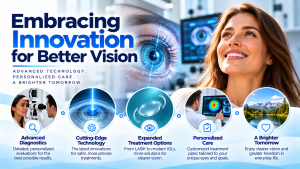
Embracing Innovation for Better Vision
Modern eye care is undergoing a significant transformation as digital tools and diagnostic accuracy redefine patient outcomes. Innovations like WaveLight® Plus allow surgeons to create

Restoring Clear Vision with Modern IOLs
An intraocular lens (IOL) is a tiny, artificial lens implanted in the eye to replace the natural lens when it becomes cloudy from cataracts. The
