

Modern ophthalmology has moved significantly beyond the traditional manual microkeratome, a handheld blade previously used to create corneal flaps during refractive procedures. This evolution toward computer-guided systems centers on femtosecond laser technology, which delivers pulses of light lasting only a quadrillionth of a second. By performing precise photodisruption, these systems separate tissue at a molecular level with minimal thermal impact, creating a safer, highly predictable surgical environment.
At Diamond Vision, this integration of high-tech instrumentation reflects a core commitment to patient-centered care. While older mechanical methods relied heavily on manual skill, modern lasers provide surgeons with micron-level control over incision depth and flap geometry. This shift is not limited to LASIK. Today, femtosecond laser-assisted cataract surgery automates critical steps like lens fragmentation and capsulotomy, replacing manual incisions with computer-controlled precision.
The adoption of all-laser LASIK) and advanced refractive techniques helps minimize the risk of procedural complications and supports faster visual recovery. By tailoring the surgical plan to an individual’s unique ocular anatomy, our team ensures that every procedure is optimized for both safety and long-term clarity. Patients interested in learning how this technology can improve their specific vision outcomes are encouraged to schedule a free consultation with our experts.
Femto Laser Cataract Surgery Explained Benefits of FLACS
How Femtosecond Lasers Transform Ocular Surgery
A femtosecond laser is an advanced infrared surgical tool that utilizes ultra-fast light pulses, lasting only a quadrillionth of a second, to perform highly precise tissue manipulation. By focusing these pulses, the laser creates a microscopic cloud of ionized molecules that gently separates tissue through a process called photodisruption)), rather than cutting it with physical force. In modern ophthalmology, this technology is a cornerstone for creating corneal flaps during LASIK and performing delicate incisions in cataract surgery.
Precision versus mechanical blades
Traditional microkeratome instruments rely on manual blades, which introduce higher variability in flap thickness and potential for rare complications like buttonholes. In contrast, the computer-guided precision of a femtosecond laser allows surgeons to tailor flap depth, hinge position, and diameter to the unique anatomy of each eye. While some mechanical systems require less suction time, Diamond Vision prioritizes the superior safety and reproducibility of blade-free technology to minimize risks and enhance patient confidence.
Versatility in clinical applications
Beyond refractive correction, this technology has revolutionized femtosecond laser-assisted cataract surgery. By automating critical steps such as the capsulotomy and lens fragmentation, the laser ensures that intraocular lenses are perfectly centered for optimal visual outcomes. This minimally invasive approach consistently leads to shorter surgical times and faster recovery periods. We invite you to schedule a free consultation at Diamond Vision to discover how these advanced procedures can address your specific vision goals.
Advantages of Bladeless LASIK for Modern Patients
Bladeless, or Femto LASIK, offers significant advantages by replacing the traditional mechanical microkeratome blade with a computer-guided femtosecond laser to create the corneal flap. This advanced, all-laser approach provides surgeons with a higher level of precision and control, allowing for a more customized corneal profile tailored to the unique anatomy of your eye. By eliminating the blade, the procedure minimizes the risk of certain flap-related complications that can occur with mechanical devices, such as buttonholes or incomplete cuts.
At diamondvision.com, we utilize these femtosecond lasers to ensure your surgery is both safe and tailored to your specific ocular structure. Unlike clinics that still rely on traditional blade-based methods, our practice focuses on the high-tech precision that allows patients with thin corneas or high refractive errors to achieve outcomes that were previously considered impossible. This technological innovation results in a more secure flap adherence, potentially accelerating your visual recovery compared to mechanical alternatives.
Patients often prefer this technology because it represents the pinnacle of modern, technological innovation in vision correction surgery. By choosing Custom Contour-Guided LASIK at our centers, you benefit from consistent, programmable flap creation that reduces surgical variability. We invite you to schedule a free consultation with our experienced ophthalmologists today to see how bladeless LASIK can benefit your specific vision needs.
Enhancing Cataract Surgery Outcomes with Precision Lasers
The evolution of femtosecond laser-assisted cataract surgery (FLACS) has fundamentally shifted how surgeons approach lens replacement. By replacing manual instruments with computer-guided laser systems, practices like Diamond Vision provide a higher standard of consistency that traditional methods cannot replicate. This technology allows for the creation of precise, self-sealing corneal incisions and a perfectly centered capsulotomy, which is vital for the long-term stability of an Intraocular Lens (IOL).
How does femtosecond laser-assisted surgery improve the outcomes of cataract procedures?
Femtosecond laser-assisted surgery enhances cataract procedures by replacing manual, handheld incisions with high-precision, computer-guided laser technology. This advanced system allows for perfectly circular capsulotomies and highly accurate corneal incisions, which improves the stability and centering of the artificial intraocular lens. By utilizing ultra-short laser pulses to soften the cataract, the procedure reduces the amount of ultrasound energy required, further protecting the delicate surrounding tissues of the eye. Ultimately, this technology offers surgeons superior consistency and customization, allowing for better refractive outcomes for patients. To learn if this advanced approach is right for your vision needs, we invite you to schedule a free consultation with our experienced ophthalmologists at Diamond Vision today.
| Feature | Traditional Method | Femtosecond Laser |
| Incisions | Manual Blade | Computer-Guided |
| Capsulotomy | Manual Needle | Laser-Defined |
| Energy Use | High Ultrasound | Low Ultrasound |
| Astigmatism | Limited Correction | Custom Incisions |
Safety, Risks, and Understanding the Surgical Experience
While femtosecond laser procedures are highly safe and FDA-approved, they carry potential risks inherent to any surgical intervention. Common side effects often include temporary dry eyes, light sensitivity, or transient visual disturbances such as glare and halos as the eye heals. By utilizing advanced laser technology instead of mechanical blades, surgeons achieve greater precision, which helps reduce certain complications like irregular flap creation.
The laser-tissue interaction can occasionally lead to unique, temporary phenomena like Opaque Bubble Layer (OBL) at the treatment site. Other manageable effects reported by some patients include Transient Light Sensitivity Syndrome or rainbow glare. These conditions are typically brief and respond well to standard postoperative care.
At diamondvision.com, we prioritize your safety through personalized candidacy assessments. Every eye is unique, and our ophthalmologists use precise mapping to determine if you are a suitable candidate for Custom Contour-Guided LASIK. We encourage you to schedule a free consultation with our experts to discuss your specific vision goals and learn how SMILE or other blade-free options can provide a comfortable path to recovery.
Securing Your Long-Term Vision Goals and Financial Planning
Laser vision correction provides lasting results, with many patients enjoying improved clarity for years after their initial procedure. Because these interventions are frequently considered elective, medical insurance may not cover the full cost. At diamondvision.com, we offer flexible financing options to ensure these life-changing visual improvements remain accessible. Unlike some standard providers that may limit their billing support, our team assists you in understanding your investment options upfront.
Your vision is a long-term asset worth professional, personalized care. We invite you to schedule a free consultation at any of our diamondvision.com locations to evaluate your candidacy. During this visit, our experienced ophthalmologists will map your ocular anatomy and discuss how modern laser technology aligns with your specific lifestyle needs.
Contact Us
If you have more questions about LASIK procedures, get in touch with us.
Related Blogs

Understanding Your Vision Needs During Middle Age
As you enter your 40s, the natural aging process begins to affect the eye’s internal lens, which gradually loses the flexibility required to focus on
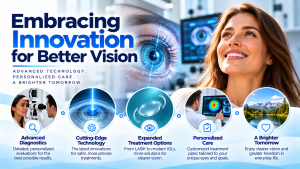
Embracing Innovation for Better Vision
Modern eye care is undergoing a significant transformation as digital tools and diagnostic accuracy redefine patient outcomes. Innovations like WaveLight® Plus allow surgeons to create
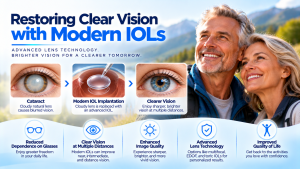
Restoring Clear Vision with Modern IOLs
An intraocular lens (IOL) is a tiny, artificial lens implanted in the eye to replace the natural lens when it becomes cloudy from cataracts. The
