

A cataract develops when the natural, crystalline lens inside the eye becomes cloudy, causing vision to gradually fade or blur. This transformation, often linked to aging, can eventually make everyday tasks like reading or driving feel increasingly difficult. At Diamond Vision, we emphasize that you do not need to wait for advanced vision loss to seek help. Addressing these changes early while cataracts are softer often results in more efficient procedures and smoother recovery times for our patients.
Many patients worry about the aging process, but modern medical interventions offer a path back to clarity. While competitors may rely on manual, blade-based techniques, Diamond Vision prioritizes precision by utilizing advanced laser technologies for improved accuracy and faster healing. Because cataract surgery is one of the most common and successful outpatient procedures performed globally, choosing an expert team ensures that your individual anatomy and visual goals remain the focus.
Commitment to patient-centered care means we provide detailed guidance on modern surgical advancements that reduce reliance on glasses through premium lens options. By integrating rigorous safety protocols with personalized treatment plans, we aim to restore not just your sight, but your confidence in daily activities. If you are noticing changes in your contrast sensitivity or night vision, scheduling a free consultation is the first step toward reclaiming your visual independence.
Cataract Surgery Explained: What You Need to Know
Surgical Approaches: Traditional Phacoemulsification and Laser Precision
The primary approaches to cataract surgery are traditional phacoemulsification and laser-assisted cataract surgery. In traditional phacoemulsification, your surgeon creates manual corneal incisions and uses ultrasound energy to break up the clouded lens before replacing it with an artificial intraocular lens (IOL). Conversely, laser-assisted surgery utilizes a femtosecond laser to automate key steps, including the initial incisions and lens fragmentation, which may offer greater precision in certain steps. While both methods are highly effective and share similar recovery times, the laser-assisted approach may be well suited for specific ocular conditions, such as astigmatism. We encourage you to schedule a free consultation with our experienced ophthalmologists at diamondvision.com to evaluate your eye health and determine which surgical approach best aligns with your visual goals.
The Role of Precision Technology
Modern laser cataract surgery leverages advanced imaging to map the unique structure of your eye. This level of detail allows for a more customized surgical plan than manual methods alone. For patients with complex corneal shapes or those seeking specific premium IOLs, the consistency of laser-guided fragmentation may contribute to more predictable outcomes in some cases. At diamondvision.com, we use these technologies to reduce reliance on ultrasound energy, which may help decrease inflammation and support healing.
- Traditional phacoemulsification remains a widely used and well-established procedure.
- Laser-assisted systems provide high-resolution, real-time mapping, which may support greater procedural accuracy.
- Both approaches are performed on an outpatient basis, typically requiring only topical anesthesia.
The Patient Experience During Your Outpatient Procedure
For many, the prospect of eye surgery may trigger natural anxiety, yet modern advancements have transformed the cataract surgery experience into a highly efficient and comfortable outpatient event. You remain awake throughout the brief 10 to 15 minute procedure, which is performed under topical anesthesia using numbing eye drops to eliminate pain. This approach, supported by my.clevelandclinic.org, ensures you are conscious and able to communicate with your surgical team, fostering a cooperative environment that many patients find surprisingly peaceful.
While you remain awake, you will not view the surgical steps themselves. Instead, you might perceive light, movement, or shifting shadows as your surgeon performs the procedure. At diamondvision.com, our staff utilizes precise laser technology to enhance the accuracy of these steps compared to traditional manual blade methods. We emphasize patient comfort through individualized support, ensuring that light sedation is available to help you remain relaxed from start to finish.
What to Expect During Your Recovery
Once your procedure is complete, you will return home the same day to begin a recovery process that typically lasts four to six weeks, per aao.org. Common post-surgical symptoms often include a mild, gritty sensation or temporary light sensitivity, which are managed effectively with prescribed eye drops and protective shielding during sleep as outlined by myhealth.alberta.ca. Most patients notice significant vision improvements within just a few days. Our team at diamondvision.com provides detailed guidance on activity restrictions to ensure your healing remains consistent and successful.
Selecting Your Custom Intraocular Lens for Optimal Results
Selecting the ideal intraocular lens (IOL) is a personalized process that balances your unique lifestyle, visual goals, and specific eye anatomy. At diamondvision.com, our surgeons perform a thorough preoperative assessment to determine which lens technology best supports your long-term clarity. While standard monofocal lenses are common and generally covered by insurance, they typically correct vision at a single fixed distance, often requiring supplemental eyewear for near tasks.
For patients looking to reduce dependence on glasses, premium lens technologies offer sophisticated alternatives. Multifocal and extended depth-of-focus (EDOF) lenses provide multiple zones of correction, allowing for clearer vision across near, intermediate, and far distances. If you have astigmatism, toric lenses are specifically engineered to address this corneal irregularity, providing a more comprehensive refractive result than traditional implants. Furthermore, the innovative Light Adjustable Lens (LAL) allows our team to fine-tune your final prescription with post-operative light treatments, ensuring a level of customization that older, fixed-power lenses cannot achieve.
Navigating Personal Health and Financial Considerations
Your eye health history is a primary factor in these decisions. Patients with pre-existing conditions like glaucoma or macular degeneration are often advised against multifocal or EDOF options, as these lenses can reduce light transmission to the retina. In these instances, our specialists at diamondvision.com prioritize the safety and integrity of your ocular health by recommending lenses that maximize contrast sensitivity and performance.
While Medicare and most private insurance plans cover the cost of standard monofocal surgery, choosing premium lenses typically involves out-of-pocket expenses to account for the advanced technology. We believe that visual freedom is a valuable investment in your quality of life. To help make these modern options accessible, we offer various financing solutions and clear guidance on insurance coverage. Schedule a free consultation with us to discuss your goals and find the lens option that fits both your lifestyle and your budget.
Investment Value of Advanced Laser Technology
Deciding whether laser-assisted cataract surgery is the right investment depends on your specific vision goals and anatomical needs. This technology offers enhanced precision for corneal incisions and lens fragmentation, which can be particularly advantageous if you require correction for astigmatism alongside your cataract procedure. While traditional surgery remains a safe and highly effective standard, the laser-assisted approach provides a customizable, computer-guided level of accuracy that many patients find valuable for achieving their ideal visual outcomes.
Precision and Patient Outcomes
Computer-guided precision allows for more consistent corneal incisions compared to manual methods. By mapping the eye with advanced imaging, such as Optical Coherence Tomography, surgeons can soften the cataract more effectively, often requiring less ultrasound energy. This reduction in energy usage can translate to less corneal swelling and may contribute to a smoother recovery process. At diamondvision.com, our team utilizes this high-resolution mapping to tailor the procedure to your unique ocular structure.
Advanced Lens Integration
The true potential of laser technology is often realized when paired with premium intraocular lenses. Whether you choose multifocal, extended depth-of-focus, or toric lenses, precise placement is critical to achieving independence from glasses. Laser systems can help center these specialized lenses with a high degree of accuracy. While insurance typically covers standard monofocal lenses, upgrading to premium options often involves out-of-pocket costs. We provide transparent guidance on how these investments align with your long-term visual clarity.
| Feature | Traditional | Laser-Assisted |
| Incision | Manual blade | Computer-guided |
| Fragmentation | Ultrasound | Laser/Ultrasound |
| Astigmatism | Requires extra steps | Integrated correction |
Navigating the Recovery Process and Healing Timeline
Most patients experience a smooth recovery, with vision noticeably improving within 1 to 3 days of their procedure. During this time, it is vital to protect your eyes by wearing provided shields while sleeping and using wraparound sunglasses to guard against irritants and light sensitivity. Protecting the eye from accidental trauma during sleep is a standard recommendation at Diamond Vision to ensure the self-sealing incisions heal without disruption.
Managing Activities and Daily Habits
To promote proper healing, you must avoid strenuous activities, heavy lifting, or bending your head below your waist, as these movements can increase eye pressure and interfere with the surgical site per clinical recovery protocols. Additionally, avoid getting water directly in your eyes during showers and wait for your surgeon’s clearance before swimming or resuming driving. While many surgeons restrict driving immediately post-procedure, your specific timeline will be tailored by the expert team at Diamond Vision based on your individual healing progress.
Early Symptoms and Healing Milestones
Common early post-operative symptoms, such as gritty, red, or watery eyes, are typically transient and manageable with the prescribed eye drop regimen. While your eyes may feel sensitive to light, full healing generally occurs within 4 to 6 weeks. If you experience sudden vision loss, persistent eye pain, or flashes of light, contact your Diamond Vision specialist immediately to ensure your continued safety. Consistent adherence to these recovery steps helps safeguard your visual results and supports your return to daily independence.
Safety, Success Rates, and Proactive Vision Care
Modern cataract surgery is widely recognized as one of the safest and most successful elective medical procedures, with success rates consistently exceeding 98 percent. Most patients achieve significant visual improvement, with over 97 percent of individuals experiencing better vision post-procedure. At diamondvision.com, our expert team prioritizes this high standard of care by utilizing advanced, precision-guided technologies that minimize tissue trauma.
While serious complications such as infection or retinal detachment are extremely rare, occurring in fewer than 1 percent of cases combined, proactive management remains essential. diamondvision.com supports long-term health by educating patients on signs that necessitate prompt attention, such as persistent pain or sudden vision changes. Our specialized medical practice offers tailored surgical approaches designed to optimize safety for each unique eye anatomy.
Patients may eventually develop posterior capsular opacification, often called a secondary cataract, where the membrane behind the lens becomes cloudy. This is a common, non-cataract development that is easily resolved with a simple, painless YAG laser procedure in the office. We invite you to schedule a free consultation with our expert ophthalmologists to discuss how these advanced, highly successful methods can ensure lifelong visual clarity.
Your Next Steps Toward Lifelong Visual Clarity
Deciding to address vision loss is a personal milestone that requires guidance from experienced specialists. Professional consultations at diamondvision.com allow you to discuss how modern surgical techniques and premium lens options can be tailored to your specific anatomy and lifestyle goals.
Quality eye care should remain accessible. Patients often benefit from flexible financing plans designed to fit diverse budgets, ensuring that advanced technology is within reach for those seeking restored independence.
Taking the first step is simple. You can book a free consultation with the team at diamondvision.com to evaluate your vision and determine the best path toward achieving clear, lasting results.
Contact Us
If you have more questions about LASIK procedures, get in touch with us.
Related Blogs

Understanding Your Vision Needs During Middle Age
As you enter your 40s, the natural aging process begins to affect the eye’s internal lens, which gradually loses the flexibility required to focus on
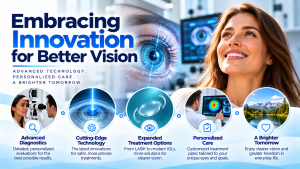
Embracing Innovation for Better Vision
Modern eye care is undergoing a significant transformation as digital tools and diagnostic accuracy redefine patient outcomes. Innovations like WaveLight® Plus allow surgeons to create
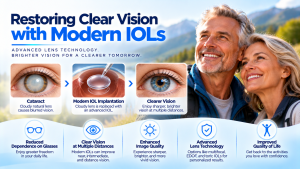
Restoring Clear Vision with Modern IOLs
An intraocular lens (IOL) is a tiny, artificial lens implanted in the eye to replace the natural lens when it becomes cloudy from cataracts. The
