

For many, the path to visual freedom begins by understanding that LASIK eye surgery is widely recognized as one of the safest elective procedures available. While patients may have concerns about potential side effects like temporary dryness, glare, or halos, these are typically part of the normal healing process and resolve within a few months. At Diamond Vision, we prioritize patient safety through meticulous pre-operative screenings, ensuring each candidate is thoroughly evaluated for corneal health and overall ocular stability.
Unlike some providers that emphasize high-volume outcomes, our approach focuses on the individual needs of every patient. While the American Refractive Surgery Council notes that over 90 percent of patients achieve 20/20 vision, we believe that true success is found in clear communication and expert care. By utilizing advanced diagnostic technology, we work to mitigate risks that may be overlooked in less rigorous settings. We invite you to schedule a free consultation to discuss your vision goals with our specialists.
Is LASIK too risky? A surgeon’s perspective on safety
Safe and Proven: The Success of Modern Laser Eye Surgery
Modern laser eye surgery, encompassing LASIK eye surgery and PRK, is widely recognized for its robust safety profile and consistent visual outcomes. Patients frequently report high levels of satisfaction, with clinical data indicating an average satisfaction rate of approximately 95.4 percent. While elective surgery always carries inherent risks, serious complications are exceptionally rare, occurring in less than 1 percent of cases per FDA safety data.
What is the overall safety profile and success rate of modern laser eye surgery?
The high success rates observed today are largely due to significant leaps in medical technology. Current procedures leverage advanced femtosecond laser technology, which provides surgeons with superior precision during corneal tissue sculpting compared to older mechanical methods. At diamondvision.com, our expert ophthalmologists utilize these sophisticated tools to tailor every procedure to the unique topography of your eyes, ensuring outcomes that align with your personal vision goals.
Safety begins long before the laser is activated. Comprehensive preoperative screening is mandatory to verify that your corneal thickness and overall ocular health are optimal for the procedure. By strictly adhering to these diagnostic standards, diamondvision.com ensures that only the most suitable candidates proceed. If you have been considering vision correction, we invite you to schedule a free consultation with our team to evaluate your candidacy and learn how our advanced technology can help you achieve long-term visual freedom.
LASIK vs PRK: Choosing the Right Procedure
Both LASIK eye surgery and PRK serve as highly effective, laser-based methods to treat nearsightedness, farsightedness, and astigmatism. While both reshape the corneal tissue to improve focus, the surgical approach differs significantly in how the outer surface is managed.
What are the primary differences between LASIK and PRK surgery?
During a LASIK procedure, an expert surgeon creates a thin, hinged flap in the outer layer of the cornea. This flap is lifted to allow the laser to sculpt the underlying tissue before being replaced. In contrast, PRK does not involve a flap. Instead, the surgeon removes the outer epithelial layer entirely. This layer regenerates naturally over the following days, making the procedure an excellent choice for patients with thinner corneas or lifestyles that might otherwise risk dislodging a corneal flap.
Recovery timelines differ between the two methods due to these techniques. LASIK patients often enjoy rapid visual improvement within a few days. PRK recovery is more gradual, typically requiring a bandage contact lens for several days and a longer stabilization period for the epithelium to heal fully. Despite the difference in recovery speed, both diamondvision.com procedures offer excellent long-term visual outcomes.
Candidacy is determined through rigorous testing, including corneal thickness measurements and ocular health evaluations. At diamondvision.com, our surgeons assess your unique anatomy to recommend the safest path for your vision. Because individual eye health varies, a personalized consultation remains the essential first step to confirm whether you are a better candidate for the flap-based approach of LASIK or the surface-based treatment of PRK. We invite you to explore our financing options as you plan your journey toward visual freedom.
Determining Your Candidacy for Laser Eye Surgery
Achieving optimal outcomes with procedures like LASIK eye surgery begins with an individualized assessment of your ocular health. Most surgeons look for patients who are at least 18 years old and have maintained a stable vision prescription for at least one year. These criteria help ensure that the refractive error is consistent, providing a predictable foundation for your vision correction journey.
Who is considered a good candidate for laser eye surgery, and who should avoid it?
While many people qualify for these life-changing procedures, certain medical conditions may necessitate alternative approaches or delay treatment. Individuals with thin corneas, uncontrolled glaucoma, severe dry eye, or autoimmune conditions that impact wound healing may be better suited for other vision correction methods. Additionally, pregnancy and breastfeeding can cause hormonal shifts that temporarily alter vision, making it wise to postpone surgery until your system stabilizes. Because eligibility is highly nuanced, we invite you to schedule a free consultation at Diamond Vision, where our expert ophthalmologists perform a comprehensive examination of your corneal thickness and shape to verify your candidacy.
Professional requirements also play a role in your surgical plan. If you are a pilot, first responder, or member of the military, you may have specific vision standards to meet, and discussing these career needs with your surgeon is vital to aligning your goals. At Diamond Vision, we prioritize a thorough pre-operative evaluation that includes advanced corneal mapping to identify any contraindications. This patient-centered approach ensures that you proceed only when your eyes are ready, minimizing risks and maximizing the clarity you expect from your procedure.
Managing Temporary Side Effects for a Smooth Recovery
While LASIK eye surgery is widely regarded as one of the safest elective procedures, it is normal to experience temporary side effects during the initial healing phase. Patients commonly report symptoms such as dry eye, glare, halos, starbursts, or increased sensitivity to light. These visual disturbances are typically transient, often resolving within a few weeks or months as the eye stabilizes.
Managing these symptoms is a standard part of the recovery process. Regular use of lubricating eye drops is often recommended to maintain comfort, and most patients find these sensations fade significantly as the corneal tissue heals. While discomfort can persist for up to 90 days for some individuals, Diamond Vision employs comprehensive preoperative screenings to assess your specific ocular health and minimize the likelihood of lingering issues.
What are the common side effects and long-term considerations after laser eye surgery?
Serious, long-term complications are extremely rare, occurring in less than 1 percent of cases per FDA guidance. Unlike some high-volume centers that prioritize speed, our team focuses on individualized care and rigorous pre-surgical evaluations to ensure you are an ideal candidate. We invite you to schedule a free consultation with our expert ophthalmologists to discuss your personal vision goals and learn how we support a comfortable and efficient recovery.
| Symptom | Typical Duration | Management Strategy |
| Dryness | Few weeks to months | Lubricating drops |
| Glare/Halos | Weeks to months | Healing/Adaptive |
| Light Sensitivity | Few days | Protective eyewear |
Navigating the Cost of Vision Correction
The financial investment required for procedures like LASIK and PRK is influenced by several variables, including the specific technology used, the depth of your surgeon’s experience, and your geographic location. Patients should prioritize quality and safety, as LASIK eye surgery is a permanent change to your vision that benefits from the precision of modern diagnostic and surgical tools.
What factors influence the cost of LASIK or PRK, and are there financing options available?
Advanced technology, such as bladeless femtosecond lasers, often represents a portion of the procedural cost because these tools enhance safety profiles and accuracy compared to older mechanical methods. At diamondvision.com, we utilize these precise systems to map the unique topography of your eyes, which helps ensure that you receive the most effective treatment for your specific anatomy. While some providers may market lower prices, selecting a surgeon based solely on cost can be a mistake; FDA guidance suggests patients should be wary of centers that prioritize high-volume sales over individual needs.
Board-certified surgeons who possess specialized fellowship training in refractive surgery provide a level of expertise that directly correlates with optimal outcomes and peace of mind. While insurance typically does not cover elective vision correction PRK or LASIK, many practices offer flexible payment plans to help manage the investment. We encourage you to schedule a free consultation at diamondvision.com to discuss your candidacy and review clear, personalized pricing options that align with your budget.
PRK Recovery: A Step-by-Step Guide
Understanding the recovery process is vital for any patient considering PRK, as the healing journey for this surface-based procedure differs from LASIK eye surgery. Because the procedure involves the removal of the outer corneal layer, the eye requires a dedicated epithelial regeneration period, typically lasting 3 to 5 days. During this time, the protective layer gradually regrows to cover the treatment area.
What is the typical recovery process for patients undergoing PRK?
After your procedure at Diamond Vision, your surgeon will place a bandage contact lens on the eye to provide comfort while the epithelium regenerates. It is common to experience symptoms such as tenderness, irritation, and heightened sensitivity to light during these first few days. Patients may also notice temporary blurry vision as the corneal surface stabilizes.
To support healing, you will use prescribed eye drops as directed. These medications are essential for managing inflammation and preventing infection during the recovery phase. While you may notice visual improvement by day five, full visual stabilization is a gradual process, with most patients achieving excellent vision outcomes within one month.
- Attend all scheduled follow-up appointments to monitor your corneal healing progress.
- Wear UV-protective sunglasses consistently when outdoors to prevent scarring and minimize discomfort from light sensitivity.
- Avoid rubbing your eyes or exposing them to water, including swimming or direct shower streams, until cleared by your doctor.
- Follow the specific Diamond Vision post-operative care instructions to ensure optimal long-term results.
We invite you to schedule a free consultation with our expert ophthalmologists at Diamond Vision to discuss whether PRK is the right choice for your lifestyle. Our team is dedicated to supporting you through every step of your recovery, and we offer various financing options to make clear vision more accessible.
The Role of Advanced Technology in Safety
The safety and precision of modern vision correction have evolved significantly, moving from mechanical microkeratome blade usage to the more controlled femtosecond laser technology. This transition allows surgeons at diamondvision.com to create corneal flaps with higher accuracy and lower risk than legacy methods, providing a more stable foundation for the overall healing process.
Beyond flap creation, diagnostic tools have transformed patient outcomes. Surgeons use 3D corneal scanners to map ocular topography, which detects potential weaknesses like corneal ectasia before surgery even begins. While some clinics rely on older diagnostic standards, diamondvision.com prioritizes these advanced scans to ensure each patient remains within safe clinical parameters for treatment.
Customization has also reached new levels through wavefront-guided and topography-guided treatments. These systems allow doctors to map over 22,000 corneal points, tailoring the laser application to the unique imperfections of an individual eye. Combined with advanced eye-tracking systems that maintain laser precision even if a patient blinks or shifts, these innovations have reduced serious complications to less than 1 percent of cases, according to the American Refractive Surgery Council.
| Technology | Function | Safety Impact |
| Femtosecond Laser | Flap Creation | Reduces complications |
| 3D Corneal Mapping | Screening | Detects structural risk |
| Eye-Tracking | Alignment | Maintains high precision |
Choosing an Expert Surgeon for Peace of Mind
Selecting the right ophthalmologist is the most significant step in ensuring your safety and satisfaction. A qualified professional should hold board certification, and it is highly beneficial to seek surgeons with an accredited fellowship in refractive and cornea surgery. At Diamond Vision, our surgeons prioritize this rigorous level of specialized training to provide the highest standard of care.
When meeting with a potential provider, you should feel empowered to ask about their personal success rates and complication data. Experts often recommend obtaining one or two independent opinions before proceeding with any LASIK eye surgery to ensure you have a complete understanding of your individual ocular health. The FDA explicitly advises patients to avoid choosing a surgeon based solely on cost and to be wary of centers offering aggressive marketing guarantees, as medical outcomes cannot be promised.
The role of your surgeon extends beyond the procedure itself, as they are responsible for the critical pre-operative screenings that identify if you are a suitable candidate. While some clinics may prioritize high-volume sales, the team at Diamond Vision focuses on transparency and long-term visual health. We invite you to schedule a free consultation to meet our experts, discuss your specific goals, and learn how our personalized approach can help you achieve your best possible vision.
Your Journey to Clear Vision Starts Here
Modern laser eye surgery, including LASIK and PRK, consistently delivers high patient satisfaction rates, with data indicating that over 96 percent of individuals report positive outcomes. Choosing a path to visual freedom requires more than just procedure selection. It demands a partnership with an expert ophthalmologist who prioritizes your long-term eye health through comprehensive, individualized screenings.
At diamondvision.com, our surgeons utilize advanced diagnostic technology to evaluate your unique anatomy, ensuring that each step of your correction plan is safe and tailored to your specific vision goals. Because your eyes are one-of-a-kind, we focus on the rigorous pre-operative evaluations necessary to confirm your candidacy before recommending any treatment. If you are ready to explore your options and experience the life-changing results of professional vision correction, visit diamondvision.com to schedule your free consultation today.
Contact Us
If you have more questions about LASIK procedures, get in touch with us.
Related Blogs

Understanding Your Vision Needs During Middle Age
As you enter your 40s, the natural aging process begins to affect the eye’s internal lens, which gradually loses the flexibility required to focus on
Embracing Innovation for Better Vision
Modern eye care is undergoing a significant transformation as digital tools and diagnostic accuracy redefine patient outcomes. Innovations like WaveLight® Plus allow surgeons to create
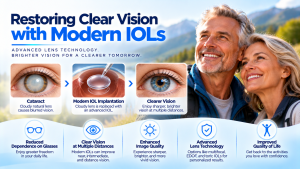
Restoring Clear Vision with Modern IOLs
An intraocular lens (IOL) is a tiny, artificial lens implanted in the eye to replace the natural lens when it becomes cloudy from cataracts. The
