

A cataract is a clouding of the eye’s natural lens, often compared to looking through a fogged-up window. As the National Eye Institute notes, this condition occurs when proteins in the lens break down and clump together, scattering light and progressively impairing visual clarity. Because this process is gradual, many people do not notice changes in their sight until the condition reaches an advanced stage.
Common indicators that you may be developing cataracts include blurred or cloudy vision, fading colors, increased sensitivity to glare, and difficulty seeing at night. Some patients also report seeing halos around lights or experiencing a frequent need to update their eyeglass prescriptions. While these symptoms are common among adults over 40, they can also stem from factors like diabetes or prolonged steroid use.
Professional monitoring is vital for maintaining long-term eye health. At Diamond Vision, our specialists provide comprehensive diagnostic exams to identify early signs of vision loss. By prioritizing patient-centered care and utilizing advanced screening technology, we help you understand exactly how your vision is changing and when surgical intervention becomes the most effective path to restoring your clarity.
Cataracts ? Don’t Ignore 5 Warning Signs! Cataract Symptoms …
What Defines a Cataract and Its Effect on Vision
A cataract is a common condition where the eye’s natural, typically clear lens becomes cloudy, much like looking through a fogged-up or dirty window. This clouding occurs when proteins within the lens break down over time, a process often associated with natural aging. As the cataract progresses, it can significantly impair your vision by causing blurriness, making colors appear faded, and increasing sensitivity to glare or halos around lights.
These changes often make daily tasks—such as reading, driving at night, or recognizing faces—increasingly difficult. Per National Eye Institute data, over half of Americans age 80 or older either have cataracts or have already undergone surgical correction. If you find that your vision is interfering with your quality of life, our expert team at Diamond Vision is here to help. We encourage you to schedule a free consultation to discuss safe, effective surgical solutions to restore your clear sight.
- Clouded, blurry, or dim vision
- Increased sensitivity to glare and halos around light sources
- Fading or yellowing of color perception
- Frequent updates to eyeglass or contact lens prescriptions
- Difficulty with night vision and reading in low-light conditions
Primary Causes and Anatomical Types of Cataracts
The development of a cataract typically begins when the internal proteins and fibers of the eye’s lens degrade, causing them to clump together National Eye Institute. This structural change creates clouded areas that scatter or block light, preventing a clear image from reaching the retina. While the National Eye Institute notes that this process is largely an inevitable component of aging, it can be accelerated by external and internal triggers.
Risk factors that may speed up the progression of lens clouding include chronic conditions such as diabetes, long-term use of corticosteroid medications, and sustained exposure to ultraviolet radiation Mayo Clinic. At Diamond Vision, our ophthalmologists specialize in diagnosing these specific markers early to help patients manage their visual health before daily activities are significantly impacted.
Anatomical classifications of cataracts
Eye care professionals classify cataracts based on their precise location within the lens, as each type can influence vision in distinct ways Cleveland Clinic. Understanding these categories is essential for planning the most effective surgical approach.
Nuclear Cataracts. These form in the center, or nucleus, of the lens and are the most common type associated with the natural aging process.Cortical Cataracts. These begin as wedge-shaped opacities in the periphery of the lens cortex, gradually extending toward the center.Posterior Subcapsular Cataracts. These develop on the back outer layer of the lens, often progressing more rapidly than other types and causing significant glare issues.
Whether you are concerned about genetic predispositions or environmental factors, early professional evaluation is critical. Patients are encouraged to contact Diamond Vision to discuss their symptoms and explore advanced options, including modern intraocular lens implants, during a free consultation.
Timeline of Cataract Development and Progression
At what age do cataracts typically begin to develop? While cataracts are most commonly associated with patients over the age of 60, the natural breakdown of proteins in the eye’s lens can begin as early as your 40s National Eye Institute. During the 40s and 50s, many individuals begin to notice subtle changes, such as a shift in their glasses prescription, increased difficulty seeing in dim lighting, or trouble with glare. By age 65, the prevalence of cataracts increases significantly, making this a common age for patients to seek professional evaluation and surgical correction. Although cataracts are primarily an age-related condition, factors such as family history, diabetes, smoking, or eye trauma can contribute to earlier development Mayo Clinic. Because cataract symptoms typically progress slowly and gradually, we recommend regular eye exams starting at age 40 to monitor your vision health and ensure timely intervention.
The development of cataracts is often a bilateral process, yet it is rarely uniform Mayo Clinic. You may notice one eye clouds more quickly than the other, creating a discrepancy in visual clarity. At diamondvision.com, we utilize high-precision imaging to track these specific progression rates, ensuring our patients receive personalized treatment before their quality of life is compromised.
Some patients experience the peculiar ‘second sight’ phenomenon, particularly with nuclear cataracts, where near vision temporarily improves as the lens density increases Cleveland Clinic. This improvement is often fleeting and precedes a deeper decline in visual acuity. Unlike some clinics that wait for total vision loss, our experts at diamondvision.com encourage proactive monitoring. Scheduling a consultation allows us to discuss how modern intraocular lens options can restore your vision long before you experience significant impairment.
Preventative Habits and Diagnostic Limitations
Many patients wonder if they can manage or identify cataracts through home observation. While common symptoms include blurry vision or halos, an accurate diagnosis requires a comprehensive dilated eye exam performed by an ophthalmologist. Professional evaluation is vital because other serious eye conditions can mimic early cataract symptoms. At Diamond Vision, our specialists use advanced microscopic slit lamp exams to visualize the lens structure and rule out underlying issues that self-diagnosis often misses.
Can I check for cataracts at home or stop them from forming?
It is not possible to accurately diagnose cataracts at home, as a professional, dilated eye examination by an experienced ophthalmologist is essential for detection. While there is no medical cure or non-surgical treatment to reverse or stop the progression of a cataract once it has formed, you can support your long-term eye health by maintaining a nutrient-rich diet and managing conditions like diabetes. Protecting your eyes from prolonged UV exposure by wearing sunglasses and avoiding smoking or excessive alcohol consumption may also help maintain your vision for longer. If you notice symptoms such as blurry vision, sensitivity to light, or faded colors, it is important to schedule a comprehensive exam with our expert team. We invite you to contact Diamond Vision today to book a consultation and discuss any concerns regarding your vision.
- In the early stages, vision management may be possible through increased lighting, anti-glare sunglasses, magnifying lenses, or updated corrective prescriptions.
- The National Eye Institute recommends that individuals aged 60 or older undergo a dilated eye exam every 1 to 2 years.
- While no method exists to prevent the formation of cataracts entirely, reducing risk factors like UV exposure and tobacco use remains a standard recommendation for preserving ocular health.
Cataracts Versus Glaucoma and Comorbidity
Understanding the distinction between cataracts and glaucoma is essential for maintaining long term ocular health, as both represent significant vision-threatening conditions that may appear during the aging process. A cataract involves the clouding of the eye’s natural lens, which acts much like a frosty or fogged-up window that scatters light, whereas glaucoma refers to a group of eye diseases that damage the optic nerve, frequently associated with elevated pressure inside the eye.
Because both conditions are highly prevalent in older adults, patients often experience them concurrently. While cataracts primarily affect the lens, glaucoma targets the structural integrity of the optic nerve. Because these conditions manifest differently, accurate diagnosis requires sophisticated dilated eye examinations to measure intraocular pressure and inspect the internal eye structures.
At Diamond Vision, our ophthalmologists specialize in navigating complex cases where multiple ocular issues overlap. Unlike standard clinics that may overlook the nuances of co-occurring conditions, our team utilizes advanced diagnostic tools to distinguish between lens-based clouding and nerve damage. If you have noticed subtle changes in your vision, such as halos around lights or an unexplained narrowing of your field of view, it is vital to seek a professional assessment. We invite you to visit diamondvision.com to schedule a free consultation, where our experts can evaluate your specific symptoms and determine a precise management plan tailored to your needs.
Standard Surgical Treatments and Modern Lens Options
The standard and only effective treatment for advanced cataracts is surgical intervention. During this common, outpatient procedure, an experienced ophthalmologist removes your eye’s natural cloudy lens and replaces it with a clear, artificial intraocular lens (IOL) to restore your vision. Surgeons typically use a technique called phacoemulsification, which utilizes ultrasonic energy to break up the cataract for gentle removal. Because this is a highly precise process, we encourage you to consult with our specialists at diamondvision.com to explore advanced surgical technologies tailored to your needs. We invite you to schedule a free consultation today to discuss your treatment options, personalized care, and flexible financing plans.
Advancements in lens technology
Modern IOL implants go beyond simple vision restoration. While traditional monofocal lenses address distance vision, premium options such as multifocal lenses can correct both distance and near vision, potentially reducing your dependence on glasses after the procedure. Diamond Vision offers these advanced lens designs to help improve your overall quality of life by addressing refractive errors during the same surgery.
Recovery expectations and safety
Cataract surgery is considered a very safe procedure, with 9 out of 10 patients experiencing improved vision afterward. Recovery is generally quick, typically taking about one month for the eye to heal fully. Many patients notice clearer vision shortly after the procedure. Because diamondvision.com emphasizes safety and patient-centered outcomes, our team provides comprehensive guidance throughout the healing process, ensuring you feel confident in your results.
Taking the Next Step Toward Clearer Vision
Prioritizing your ocular health is a vital investment in your overall quality of life. As age-related cataracts progress, finding an experienced partner for your vision care is essential. Unlike generic providers, Diamond Vision delivers a specialized approach that combines state-of-the-art diagnostic technology with a commitment to patient-centered outcomes.
Expert guidance can turn the uncertainty of vision loss into a clear path forward. Our dedicated ophthalmologists work with you to determine if advanced procedures, such as laser-assisted lens replacement, align with your specific lifestyle needs. Because we believe high-quality vision correction should be accessible, we offer flexible financing options designed to accommodate diverse budgetary requirements while maintaining the highest safety standards.
If you are experiencing symptoms such as glare, halos, or persistent blurriness, it is time to seek a professional evaluation. Taking action today can prevent these issues from limiting your independence. We invite you to schedule a free consultation with our team at diamondvision.com to discuss your vision goals and learn how our customized treatment plans can help you see the world with newfound clarity.
Contact Us
If you have more questions about LASIK procedures, get in touch with us.
Related Blogs

Understanding Your Vision Needs During Middle Age
As you enter your 40s, the natural aging process begins to affect the eye’s internal lens, which gradually loses the flexibility required to focus on
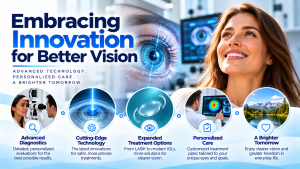
Embracing Innovation for Better Vision
Modern eye care is undergoing a significant transformation as digital tools and diagnostic accuracy redefine patient outcomes. Innovations like WaveLight® Plus allow surgeons to create

Restoring Clear Vision with Modern IOLs
An intraocular lens (IOL) is a tiny, artificial lens implanted in the eye to replace the natural lens when it becomes cloudy from cataracts. The
