

Eyebrow twitching is an involuntary spasm of the small muscles around the brow and upper eyelid, and it is usually harmless. Most cases are a type of twitch called myokymia, triggered by stress, poor sleep, caffeine, eye strain, or dry eyes. Rest and cutting back on stimulants often help it fade. Twitching that lasts for weeks, closes your eye, or spreads across your face deserves an eye exam or a visit with your doctor.
Why Is My Eyebrow Twitching?
Your eyebrow is most likely twitching because the small muscles around your eye are tired or overstimulated. Doctors call this common, harmless twitch myokymia. It often feels like a flutter or ripple under the skin near the brow or eyelid, and other people usually cannot see it. Common triggers include:
- Stress and anxiety
- Fatigue or poor sleep
- Too much caffeine
- Alcohol or nicotine
- Eye strain from screens, reading, or an outdated prescription
- Dry or irritated eyes
- Bright light, wind, or air pollution
Certain medicines, including some used for Parkinson’s disease, can also cause twitching. Most episodes come and go over days to weeks and stop once the trigger eases. A twitch near the brow is usually annoying rather than harmful.
What Deficiency Causes Eyebrow Twitching?
No single vitamin or mineral deficiency has been proven to cause eyebrow twitching. Low magnesium is the nutrient most often mentioned, because magnesium helps nerves and muscles work normally. However, the evidence linking magnesium to eye or brow twitches is limited, and most people with twitching have normal levels. Other nutrients, such as potassium, calcium, and vitamin B12, are sometimes discussed online, but these are rarely the cause of a simple twitch. Lifestyle triggers like stress, short sleep, and caffeine are far more common. If you think your diet is lacking, talk with your doctor before starting supplements. A simple blood test can check your levels, and some supplements, including magnesium, can cause side effects or interact with medicines, especially for people with kidney disease. Eating a balanced diet with leafy greens, nuts, beans, and whole grains is a safe first step.
Is Eye Twitching a Mini Stroke?
No, eye or eyebrow twitching on its own is not a sign of a mini stroke. A mini stroke, also called a transient ischemic attack (TIA), causes sudden symptoms that look like a stroke. Call 911 right away if you notice any of these warning signs, which the CDC describes with the letters BE FAST:
- Balance: sudden dizziness or loss of balance
- Eyes: sudden trouble seeing in one or both eyes
- Face: one side of the face droops when smiling
- Arms: one arm drifts down or feels weak
- Speech: slurred or strange speech
- Time: call 911 and note when symptoms started
A twitch that comes and goes without weakness, numbness, or drooping is very unlikely to be a stroke. Strokes can also affect the eye directly, as explained in our post on what causes eye stroke.
Can a Brain Aneurysm Cause Facial Twitching?
A brain aneurysm is a rare cause of facial twitching, and most twitches have nothing to do with the brain. One condition, hemifacial spasm, is most often caused by a blood vessel pressing on the facial nerve. Rarely, a tumor, nerve injury, or other abnormal growth can be the cause. That is why doctors may order an MRI when spasms affect one whole side of the face. Less common conditions that can cause twitching include:
- Benign essential blepharospasm: both eyelids squeeze or blink forcefully
- Hemifacial spasm: twitching on one side that spreads from the eye to the cheek or mouth
- Bell’s palsy: sudden weakness on one side of the face
- Nervous system conditions, such as multiple sclerosis, dystonia, or Tourette syndrome
These conditions usually cause other symptoms beyond a simple brow flutter.
How Do You Stop Eyebrow Twitching?
You can usually stop eyebrow twitching by removing its triggers and giving your eyes and body more rest. Try these steps:
- Aim for 7 or more hours of sleep each night
- Cut back on coffee, tea, energy drinks, and soda
- Limit alcohol and avoid nicotine
- Follow the 20-20-20 rule: every 20 minutes, look at something 20 feet away for 20 seconds
- Use a warm compress for a few minutes to relax the area
- Try preservative-free artificial tears if your eyes feel dry
- Manage stress with exercise, breathing exercises, or short breaks
For blepharospasm or hemifacial spasm, a specialist may recommend botulinum toxin (Botox) injections to relax the muscles. Some people with hemifacial spasm may be offered surgery to move the blood vessel away from the nerve.
When Should You See a Doctor About Eyebrow Twitching?
You should see a doctor if your eyebrow twitching lasts more than a few weeks or comes with other symptoms. Most twitches are harmless, but some signs point to a condition that needs testing or treatment. Make an appointment if:
- The twitching does not go away within a few weeks
- Your eyelid closes completely with each twitch, or you have trouble opening your eye
- Twitching spreads to your cheek, mouth, or other parts of your face
- Your eyelid or face droops, or the area feels weak or stiff
- Your eye is red, swollen, or has discharge
Go to the emergency room or call 911 for sudden facial drooping, weakness, vision loss, or trouble speaking. Learn which vision loss symptoms need urgent care.
Where Can You Get an Eye Exam in Manhattan, Paramus, or Atlanta?
If your twitching may be linked to eye strain or dryness, Diamond Vision can help. Its offices in Manhattan on W. 46th Street, in Paramus, New Jersey, and in Hapeville near Atlanta, along with other offices in New York, New Jersey, and Connecticut, offer eye exams and evaluations for eye-surface problems. You can schedule an eye exam to check for an outdated prescription or other sources of strain.
If dry eye is part of the problem, the team can talk with you about dry eye treatment, including LipiFlow. For twitching that spreads across the face, causes your eyelid to close, or comes with drooping or weakness, your eye doctor may refer you to a neurologist or other specialist for further testing. Diamond Vision does not treat neurologic conditions. If you want help sorting out eyebrow twitching causes in Paramus, NJ or Manhattan, NYC, an eye exam can check for dry eye and eye strain.
Frequently Asked Questions About Eyebrow Twitching
How long does eyebrow twitching last?
Eyebrow twitching usually lasts a few seconds at a time and may come and go for several days. Some episodes continue on and off for a few weeks, especially during stressful periods or when you are short on sleep. Most cases fade without treatment once the trigger improves. If the twitching lasts longer than a few weeks, gets stronger, or spreads to other parts of your face, it is time to see a doctor.
Is eyebrow twitching a sign of something serious?
Eyebrow twitching is rarely a sign of something serious. Most cases are harmless myokymia caused by stress, fatigue, or caffeine. Less often, twitching can be a sign of blepharospasm, hemifacial spasm, or a nerve condition. Warning signs include an eyelid that closes fully, twitching that spreads across the face, drooping, or weakness. Sudden facial drooping with arm weakness or trouble speaking is an emergency, so call 911 right away.
Can anxiety cause eyebrow twitching?
Yes, anxiety and stress are among the most common causes of eyebrow twitching. Stress can make your nerves and muscles more reactive, and it often comes with poor sleep and extra caffeine, which can make twitching worse. Managing stress through exercise, regular sleep, and relaxation techniques may help. If anxiety is affecting your daily life, talk with your primary care doctor or a mental health professional for support.
Does it matter if my left or right eyebrow is twitching?
No, the side of the twitch does not change what usually causes it. Left and right eyebrow twitches have the same common triggers, such as stress, fatigue, and caffeine. What matters more is the pattern. Twitching that stays on one side and slowly spreads to the cheek or mouth can be a sign of hemifacial spasm. In that case, see a doctor so they can look for a cause.
Can new glasses or contacts help stop eyebrow twitching?
New glasses or contacts may help if eye strain from an outdated prescription is triggering your twitching. When your eyes work harder to focus, the muscles around them can tire and twitch. An updated eye exam can show whether your prescription has changed. Dry eye can also play a role, and treating it may help. You can schedule an eye exam at Diamond Vision to check your vision and eye surface.
Contact Us
If you have more questions about LASIK procedures, get in touch with us.
Related Blogs

Understanding Your Vision Needs During Middle Age
As you enter your 40s, the natural aging process begins to affect the eye’s internal lens, which gradually loses the flexibility required to focus on

Embracing Innovation for Better Vision
Modern eye care is undergoing a significant transformation as digital tools and diagnostic accuracy redefine patient outcomes. Innovations like WaveLight® Plus allow surgeons to create
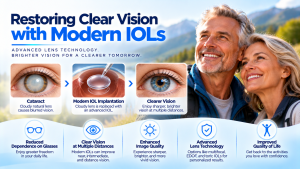
Restoring Clear Vision with Modern IOLs
An intraocular lens (IOL) is a tiny, artificial lens implanted in the eye to replace the natural lens when it becomes cloudy from cataracts. The
