

Selecting the right partner for your LASIK procedure is the most impactful decision you will make for your visual future. While some clinics focus on high-volume marketing, Diamond Vision distinguishes itself by prioritizing an educational, patient-centered approach. A qualified surgeon should be a board-certified ophthalmologist who has performed at least 1,000 procedures, with top practitioners often exceeding 10,000 to 25,000 surgeries to minimize complications.
Quality care is defined by transparency, not low-cost gimmicks. Reputable clinics like Diamond Vision provide comprehensive, 2-to-3-hour consultations that evaluate your unique ocular health, including corneal thickness and history of dry eye as recommended by medical experts. Be cautious of centers that offer high-pressure sales pitches or refuse to discuss potential risks, as most vision professionals agree that honest communication regarding success rates and possible side effects is vital.
Advanced technology is another core differentiator when choosing between clinics. Diamond Vision uses sophisticated, FDA-approved systems tailored to each patient’s specific vision needs. When you search for providers, always confirm the facility takes full responsibility for the entire continuum of care, from the initial pre-operative assessment to your long-term post-operative healing.
How to Choose the Right Vision Correction Procedure
Understanding LASIK Technology and the Procedure
LASIK stands for Laser-Assisted In Situ Keratomileusis, a sophisticated surgical procedure designed to correct common refractive errors such as nearsightedness, farsightedness, and astigmatism. Understanding LASIK Technology and the Procedure involves recognizing that it is a permanent solution for those seeking to reduce or eliminate their reliance on corrective eyewear.
What is the full form of LASIK and what does the procedure entail?
During this quick, often 30-minute outpatient procedure, an experienced ophthalmologist uses a precise laser to reshape your cornea, allowing light to focus correctly on the retina for clearer vision. The process involves creating a thin corneal flap, which allows the surgeon to access and reshape the underlying tissue with an excimer laser. Once the cornea is reshaped, the flap is repositioned to heal naturally, providing a rapid recovery compared to older surgical methods. By permanently altering the corneal shape, LASIK significantly improves how light enters the eye.
Most patients experience rapid visual improvements, with 96-99% of patients achieving 20/20 vision or better following their recovery. While generic clinics may rely on outdated blade technology, diamondvision.com utilizes advanced, all-laser systems to ensure the highest level of precision and patient safety. To determine if this life-changing procedure is right for your specific vision needs, we invite you to contact diamondvision.com to schedule a free consultation with our expert team.
Determining Your Candidacy for Laser Vision Correction
Determining your suitability for LASIK begins with a rigorous comprehensive evaluation that typically requires 2 to 3 hours to complete. During this process, specialists assess corneal thickness, pupil size, and the stability of your refractive error to ensure safety and precision. At diamondvision.com, we emphasize this level of depth, recognizing that a generic screening cannot account for the subtle anatomical differences that define a successful surgical outcome.
Ideal candidates for laser vision correction must meet specific health and stability benchmarks. You should be at least 18 years old and possess a prescription that has remained stable for at least 12 months. This 12-month period of stability ensures that the eye is not undergoing active changes, which is vital for long-term results. Per American Refractive Surgery Council data, approximately 15 to 25 percent of patients may not qualify for LASIK, often due to thin or irregular corneas, uncontrolled dry eye, or systemic health conditions.
Certain medical conditions, including autoimmune diseases or active eye infections, can disqualify a patient from traditional LASIK. However, being ineligible for one procedure does not necessarily mean you are out of options. While some providers may offer a one-size-fits-all approach, a personalized evaluation allows surgeons to identify if alternatives like [PRK](https://www.aao.org/eye-health/treatments/photorefractive-keratectomy-prk) or [EVO ICL](https://us.discovericl.com/) are better suited to your specific ocular structure. At diamondvision.com, we offer free consultations at all of our locations, including our Manhattan and Paramus offices, to guide you toward the vision correction path that best fits your individual needs.
Evaluating Surgeon Expertise and Clinic Quality
Selecting the right partner for your LASIK procedure is the most impactful decision you will make for your visual future. Your search should begin by verifying that your surgeon is board-certified by the American Board of Ophthalmology. This credential confirms the surgeon has completed the rigorous training and ongoing education required to handle complex eye surgeries with the highest standard of care.
Why Experience and Technology Matter
Surgical precision improves with volume. Highly experienced ophthalmologists have often performed between 10,000 and 25,000 procedures, according to Harvard Health. At Diamond Vision, our surgeons combine this extensive experience with advanced femtosecond laser technology, which offers superior precision compared to older mechanical blade methods. We utilize comprehensive diagnostic tools to map your eyes, ensuring that each treatment plan is customized to your unique corneal structure.
Red Flags in the Selection Process
Transparency is a hallmark of a reputable practice. Be wary of clinics that apply high-pressure sales tactics or offer suspiciously low pricing, which may indicate a lack of investment in quality equipment or personalized care. Unlike providers that rush consultations, a professional evaluation should last two to three hours and be conducted directly by the surgeon who will manage your procedure. Avoid centers that avoid discussing potential complications or refuse to share their success metrics.
Choosing the best LASIK surgeon is a vital step toward ensuring optimal safety. During your consultation, prioritize a surgeon who provides a transparent, patient-centered explanation of the risks and realistic outcomes tailored to your eye health. If you are ready to evaluate your candidacy, you can schedule a free consultation with our expert team to learn more about how our advanced refractive surgery options can help you achieve your goals.
Navigating Costs, Risks, and Permanent Results
Investing in your vision involves understanding that LASIK is a highly personalized medical procedure. Costs vary based on the specific equipment, the surgeon’s specialized expertise, and the complexity of your unique refractive error. At Diamond Vision, we prioritize transparency and offer various financing options to ensure our high-quality vision correction remains accessible to our patients. We encourage you to schedule a free consultation with our experienced ophthalmologists to receive a customized treatment plan and a comprehensive breakdown of costs.
What is the average cost of LASIK surgery in the United States?
In the United States, the cost of LASIK surgery typically ranges from $1,500 to $5,000 per eye, with many patients paying an average of approximately $2,246 per eye. These costs often reflect the advanced technology, such as the all-laser platforms utilized by clinics to enhance safety and precision.
Is LASIK surgery painful and what are the associated risks or side effects?
The procedure is generally not painful because surgeons administer numbing anesthetic eye drops to ensure your comfort. Most patients report feeling only slight pressure. Common post-operative side effects, which typically resolve within a few weeks or months, can include dry eyes, light sensitivity, or glare when driving at night. Serious complications are rare when performed by a specialist who conducts a rigorous pre-operative evaluation. You can discuss your candidacy and any concerns by meeting with the team at Diamond Vision.
How permanent are the results of LASIK surgery?
LASIK provides a permanent structural change by reshaping the cornea to address refractive errors like nearsightedness and astigmatism. While the surgical correction itself lasts a lifetime, it does not stop the natural aging of the eye. Most individuals eventually experience presbyopia, the age-related loss of near-focusing ability, which may require reading glasses in your 40s. A small percentage of patients (1% to 5%) may also require a touch-up procedure to achieve their optimal visual outcomes.
Essential Steps for Pre- and Post-Operative Care
Preparing for your vision correction begins well before the day of your surgery. Per FDA guidelines, you must discontinue contact lens use several weeks prior to your evaluation to allow your cornea to return to its natural shape. Specifically, patients should remove soft lenses two weeks beforehand and toric or gas permeable lenses three weeks prior. At Diamond Vision, we emphasize that this period of stabilization is critical for the accuracy of your surgical planning.
What steps should I take before and after LASIK surgery to ensure a smooth recovery?
Hygiene plays a vital role in preventing post-surgical infection. You should avoid all lotions, perfumes, and eye makeup the day before your procedure to keep the area free of debris. Following your surgery, the recovery roadmap involves strictly adhering to your surgeon’s personalized instruction set. Most patients experience temporary symptoms like dry eyes, which Brooksey Eye MD notes occur in roughly 95 percent of cases.
Optimal healing requires protecting your eyes from rubbing, water, and direct sunlight during the initial days. Consistent attendance at all scheduled follow-up appointments is essential for monitoring your progress and ensuring long-term success. If you are ready to learn more about the advanced techniques used at our Manhattan, NYC location or any of our other offices, we invite you to book a free consultation to discuss your specific needs.
Taking the First Step Toward Your Vision Goals
Achieving your best possible vision begins with an informed, deliberate approach to your eye health. Because up to 25 percent of patients may not be suitable candidates for LASIK due to corneal thickness or underlying health factors, a thorough evaluation is essential for long-term safety, per the American Refractive Surgery Council. You should prioritize board-certified ophthalmologists with extensive surgical experience who offer transparent discussions about risks and benefits rather than focusing solely on procedure pricing.
When you are ready to evaluate your personal candidacy, avoid clinics that apply high-pressure sales tactics. Reputable providers should offer a comprehensive pre-operative consultation that educates you on your options, including alternative procedures like PRK if traditional surgery is not the right fit for your eyes. Diamond Vision provides dedicated free LASIK consultations at all 10 locations to help you determine which vision correction path aligns with your unique lifestyle and health history.
Contact Us
If you have more questions about LASIK procedures, get in touch with us.
Related Blogs

Light Sensitivity (Photophobia) in Manhattan, NYC: Causes, Relief, and When to Get Help
Light sensitivity, or photophobia, means normal light feels uncomfortable or painful. Cleveland Clinic calls dry eye the most common condition linked with it. Other causes
Understanding Your Vision Needs During Middle Age
As you enter your 40s, the natural aging process begins to affect the eye’s internal lens, which gradually loses the flexibility required to focus on
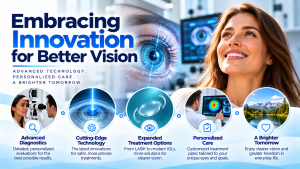
Embracing Innovation for Better Vision
Modern eye care is undergoing a significant transformation as digital tools and diagnostic accuracy redefine patient outcomes. Innovations like WaveLight® Plus allow surgeons to create
