

Achieving the best possible visual outcomes after laser eye surgery or cataract treatment requires strict adherence to your surgeon’s post-operative instructions. These guidelines are designed to minimize the risk of complications, such as infection or tissue displacement, and are vital for your long-term success. While some patients may compare recovery experiences with those at other clinics, Diamond Vision emphasizes a personalized recovery plan that ensures each step, from medication schedules to activity restrictions, is tailored to your specific healing progress.
Preparation plays a significant role in a smooth transition. Before your procedure, organize your home environment by stocking up on easy-to-digest, nutritious meals and establishing a quiet, comfortable space to rest. By prioritizing rest and avoiding strenuous activities during the initial days, you provide your body the necessary energy for tissue repair. Unlike generic recovery advice found elsewhere, we provide clear, actionable steps that guide you through every phase of the healing timeline.
Patience is essential, as individual healing speeds vary significantly per the American Academy of Ophthalmology. Fluctuations in vision during the first weeks are often a normal part of the stabilization process. Regular follow-up appointments allow our specialists to monitor your progress and make timely adjustments, ensuring you stay on track toward clear, comfortable vision. To learn more about how we support your journey, book a free consultation with our team today.
Enhanced Recovery After Surgery
LASIK Recovery Timelines and Visual Stabilization
Most patients experience significant visual improvement within 24 to 48 hours, often allowing them to return to work and drive comfortably by the day after their procedure, as noted by the American Academy of Ophthalmology. While you may achieve 20/20 vision or better during this initial recovery phase, it is normal for visual clarity to fluctuate slightly as your corneas continue to heal.
During the first few weeks, you may notice temporary symptoms like light sensitivity or dry eyes, which are managed with prescribed medicated eye drops. By the three-to-six-month mark, most patients reach their final, stable visual outcome, per the FDA. While some competitors may lack long-term monitoring, the team at Diamond Vision prioritizes ongoing care to ensure your results remain consistent over time.
Managing normal fluctuations during the early phase is a core part of the recovery process. Proper hydration and the consistent use of artificial tears help maintain tear film stability, significantly improving comfort while your vision stabilizes. We invite you to schedule a free consultation with our expert team at Diamond Vision to discuss your candidacy and learn more about our personalized approach to your vision correction journey.
Navigating Post-Procedure Restrictions and Initial Care
Achieving an optimal laser eye surgery recovery requires a disciplined approach to post-operative care. In the immediate 24 to 48 hours following your procedure, you may notice symptoms like grittiness, tearing, or light sensitivity, which are common and temporary aspects of the healing process per American Academy of Ophthalmology guidelines. Patients at Diamond Vision receive customized guidance, but universal safety protocols remain vital to protect your vision.
What are the common post-operative recovery stages and general restrictions after laser eye surgery?
Following laser eye surgery, the immediate recovery phase typically involves mild discomfort, light sensitivity, and blurry vision, which can often be managed by resting your eyes and using prescribed medicated drops. During the first 24 hours, it is essential to wear protective eye shields while sleeping to prevent accidental contact, and you should continue using sunglasses outdoors to guard against wind and sunlight. A crucial, non-negotiable rule throughout the healing process is to never rub your eyes, as this can disrupt the healing surface per FDA safety standards. Patients must also avoid strenuous exercise, swimming, hot tubs, and direct pressure on the eyes for several weeks to ensure optimal results. Because every patient’s healing journey is unique, our expert surgeons provide personalized post-operative instructions to guide you through every stage; please schedule a free consultation with our team to learn more about your specific recovery path.
Maintaining a sterile environment is essential during the initial weeks. Diamond Vision emphasizes diligent hand hygiene before applying any prescribed drops, an approach that helps prevent the complications seen when patients fail to follow sterile procedures. While other clinics might offer generalized advice, we prioritize specific intervals between medications to support epithelial healing. Avoid getting water or soap directly into your eyes while showering for at least one week, and refrain from using eye makeup for the first two weeks to minimize the risk of infection, as recommended by UCLA Health.
- Use prescribed antibiotic and anti-inflammatory drops exactly as scheduled.
- Wear protective goggles during sleep for the first week to avoid accidental rubbing.
- Shield your eyes from dust, smoke, and debris by wearing sunglasses both indoors and outdoors if light sensitivity persists.
- Delay swimming and use of hot tubs for at least two weeks to protect the cornea from water-borne irritants.
Proactive Strategies for a Faster and Safer Recovery
To facilitate a safe and efficient recovery after LASIK, it is essential to prioritize rest and strictly adhere to your surgeon’s personalized medication and eye drop schedule. Protect your eyes during sleep by wearing the provided shields and avoid rubbing them entirely to ensure the incision heals properly. Minimize digital screen time to reduce eye dryness, keep your environment free of dust or irritants, and postpone the use of eye makeup for the first week. Wearing sunglasses will help manage light sensitivity when you are outdoors or in brightly lit areas. Finally, attend all scheduled follow-up appointments, as these checkups allow our expert ophthalmologists at Diamond Vision to monitor your progress and ensure optimal healing—contact Diamond Vision today to schedule your consultation and learn more about our advanced vision correction options.
Nutritional Support for Tissue Healing
Your body requires specific nutrients to regenerate tissues and support immune function during the postoperative period. A balanced diet rich in protein, such as lean meats and eggs, provides the building blocks for recovery, while Vitamin C and zinc may assist in the repair of connective tissues. Consistent hydration is equally vital, as it aids in circulation and helps transport these nutrients to the healing site. At Diamond Vision, we emphasize these best practices because holistic eye health is a key component of your long-term surgical outcome, distinguishing our comprehensive care from providers who focus solely on the procedure itself.
Managing Your Environment and Digital Strain
Environmental factors play a significant role in your comfort during the first few days. Staring at digital devices reduces your blinking frequency, which can exacerbate dry eye symptoms, so you should limit screen time and avoid environments heavy with smoke or dust that might cause irritation. Many standard practices elsewhere might overlook the importance of environmental monitoring, but our team at Diamond Vision provides detailed guidance to ensure your home or office space supports your recovery. If you do use screens, consider utilizing accessibility features like increased font sizes to alleviate visual demand. Should you experience persistent dryness or discomfort, our team is always available to discuss adjustments to your care plan, including the use of preservative-free artificial tears to maintain tear film stability.
Cataract Surgery: Activity Limitations and Healing Milestones
Following cataract surgery, maintaining specific activity limitations is essential for ensuring your incision heals correctly and visual outcomes are maximized. During the first few weeks, it is critical to avoid strenuous physical activities, such as heavy lifting and intense exercise, which can cause internal eye pressure to rise, potentially interfering with the healing process per Moorfields Eye Hospital. Unlike some clinics that provide generic recovery advice, diamondvision.com emphasizes personalized surgical plans tailored to your specific lens requirements and lifestyle needs.
What are the standard activity restrictions and recovery expectations following cataract surgery?
Patients should strictly avoid bending over at the waist with their head below the heart, as this posture can increase ocular pressure. Instead, bend at the knees to reach for objects during the initial recovery period, as noted by Hopkins Medicine. Keeping the eye sterile is equally vital; avoid getting soap, shampoo, or water directly in your eyes for at least one week, and refrain from swimming or using hot tubs for several weeks to prevent contamination. While you might notice initial vision improvement within days, full recovery typically spans four to six weeks. It is essential to diligently follow your prescribed medicated eye drop schedule, which helps prevent infection and manage inflammation throughout this phase.
Regarding the return to daily routines, avoid driving until your surgeon confirms your vision meets legal safety standards during a follow-up consultation. While light walking is encouraged to promote healthy blood flow, strenuous activities like pilates or running should be avoided for approximately three to four weeks. If you experience persistent eye pain, sudden vision loss, or the appearance of new floaters, contact your ophthalmologist immediately. To learn more about our advanced lens options or to discuss your specific healing timeline with our specialized team, we invite you to schedule a free consultation at diamondvision.com.
Understanding Cataract Surgery Risks and Professional Oversight
While cataract surgery is widely considered a safe and highly successful procedure, every surgical intervention carries inherent risks, including potential infection, inflammation, or retinal detachment00046-5/fulltext). One common long-term concern is posterior capsular opacification, where the membrane behind the new lens becomes cloudy over time. At Diamond Vision, our ophthalmologists manage these risks through rigorous pre-operative assessments and precise, state-of-the-art surgical techniques designed to maximize stability.
What are the potential risks or disadvantages associated with cataract surgery and how are they managed?
Effective management of your recovery depends on a personalized post-operative care plan. Patients are required to use prescribed medicated eye drops strictly as directed to control inflammation and prevent infection. Consistent attendance at all follow-up appointments is essential, as this allows our surgical team to monitor your healing process and identify any issues early. You should seek immediate medical attention if you experience severe pain, sudden vision loss, new flashes of light, or persistent nausea. We invite you to schedule a free consultation with Diamond Vision today to learn how our personalized approach to safety and visual health supports your long-term success.
Maintaining Long-Term Visual Health and Quality of Life
While LASIK provides a permanent correction to the shape of your cornea, long-term visual performance is still influenced by your commitment to healthy daily habits. Protecting your eyes from harmful UV exposure and avoiding habits like rubbing your eyes are essential, especially during the initial recovery phase, to ensure optimal healing and tissue integrity per American Academy of Ophthalmology guidelines.
How does lifestyle impact long-term eye health and performance after corrective eye surgery?
Your vision may naturally change over time due to age-related conditions like presbyopia or cataracts, which are independent of your previous surgical results, as noted by UnitedHealthcare. Maintaining a proactive approach with routine comprehensive eye exams allows our expert ophthalmologists at Diamond Vision to monitor your ocular health and address any age-related shifts early.
We encourage you to schedule a free consultation with our team to discuss how personalized care and consistent check-ups can help preserve your visual results for years to come. Adopting nutritional habits and protective lifestyle choices serves as a foundational step in maintaining long-term visual health and quality of life.
Partnering with Diamond Vision for Your Successful Recovery
Your path to clear vision relies on a collaborative relationship between you and your surgical team. At Diamond Vision, we emphasize transparent communication and personalized guidance throughout your entire healing process. By providing extensive patient resources, including clear post-operative care guides and eye health best practices, we ensure you feel supported long after you leave our facility.
We believe high-quality care should be accessible to everyone. Our team provides flexible financing options to manage costs, ensuring that budget concerns never stand in the way of achieving your best possible visual outcome. Whether you are exploring LASIK, LASEK, or PRK, our expert ophthalmologists are dedicated to your safety and long-term success.
Are you ready to transform your vision? We invite you to schedule a free consultation at Diamond Vision today. Our team will review your unique needs and provide a tailored plan to guide you safely through every stage of your recovery and beyond.
Contact Us
If you have more questions about LASIK procedures, get in touch with us.
Related Blogs

Understanding Your Vision Needs During Middle Age
As you enter your 40s, the natural aging process begins to affect the eye’s internal lens, which gradually loses the flexibility required to focus on

Embracing Innovation for Better Vision
Modern eye care is undergoing a significant transformation as digital tools and diagnostic accuracy redefine patient outcomes. Innovations like WaveLight® Plus allow surgeons to create
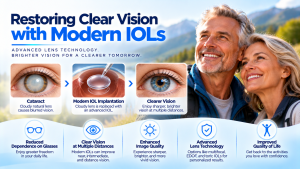
Restoring Clear Vision with Modern IOLs
An intraocular lens (IOL) is a tiny, artificial lens implanted in the eye to replace the natural lens when it becomes cloudy from cataracts. The
